


Custom Anime Merch OEM Workflow: From Artwork to Shipping
Quick answer: A custom anime merch OEM order usually moves through eight stages: confirm artwork rights, select products and quantities, request a quote, prepare print-ready files, approve proofs or samples, begin production, inspect and pack the goods, and arrange shipping. The details vary by product, so a clear specification and approval process matter more than a generic lead-time promise.
Turning original character artwork into merchandise should not require ordering thousands of identical items. Independent artists, Artist Alley exhibitors, VTubers, indie brands, and growing shops often want to test several designs across a small range of products. This guide explains what to prepare, what to approve, and how to organize a multi-product OEM order without losing track of the details.
The Custom Anime Merch OEM Process at a Glance
- Confirm artwork rights and choose the products you want to make.
- Define quantities and specifications for each artwork and product type.
- Request an itemized quotation covering MOQ, samples, production, packing, and shipping assumptions.
- Prepare production artwork using the manufacturer's templates and file requirements.
- Approve digital proofs and, where appropriate, physical samples.
- Confirm the final production details and start the agreed manufacturing run.
- Check finished quality, packaging, and applicable shipping documents.
- Arrange shipment and retain the approved specifications for easier reorders.
Step 1: Start With Artwork You Are Authorized to Merchandise
For original characters, your own illustrations, or commissioned artwork, establish that you have the right to reproduce the design on products intended for sale. If you use characters, logos, or designs owned by someone else, check what permission is required for the specific use. Fan art can involve different rights-holder policies and licensing considerations; a production quote does not itself grant permission to sell that design.
Keep the relevant ownership or permission information with your order records. This guide is general production information, not legal advice.
Step 2: Choose Products and Calculate the Real MOQ
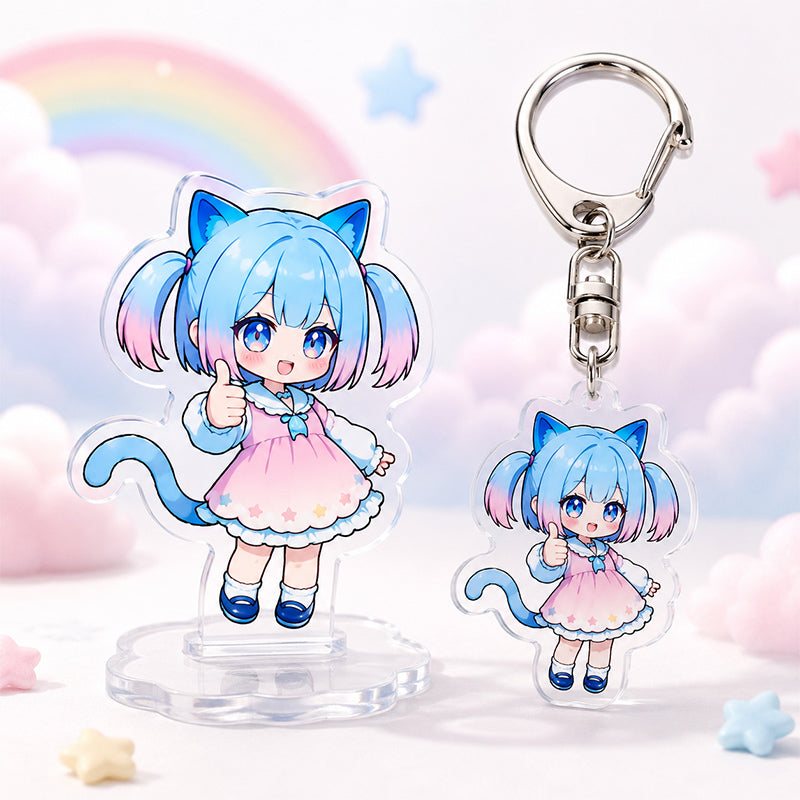
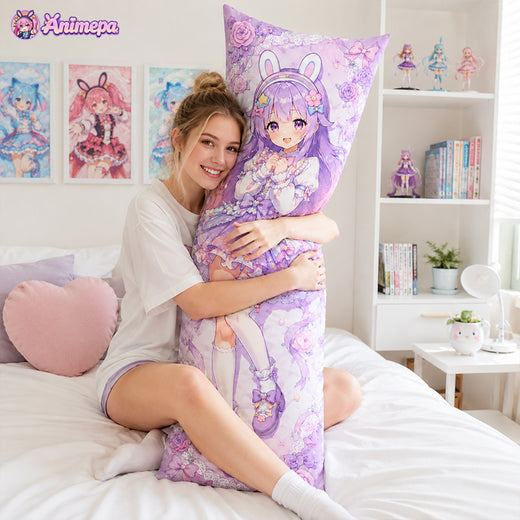
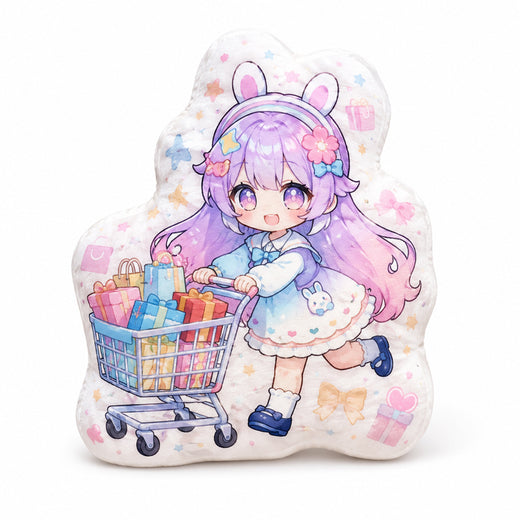
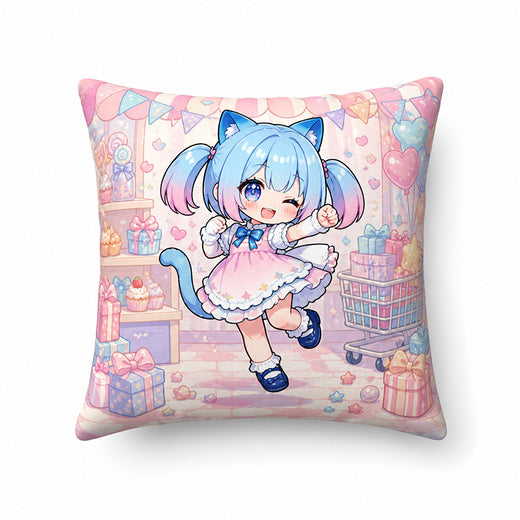
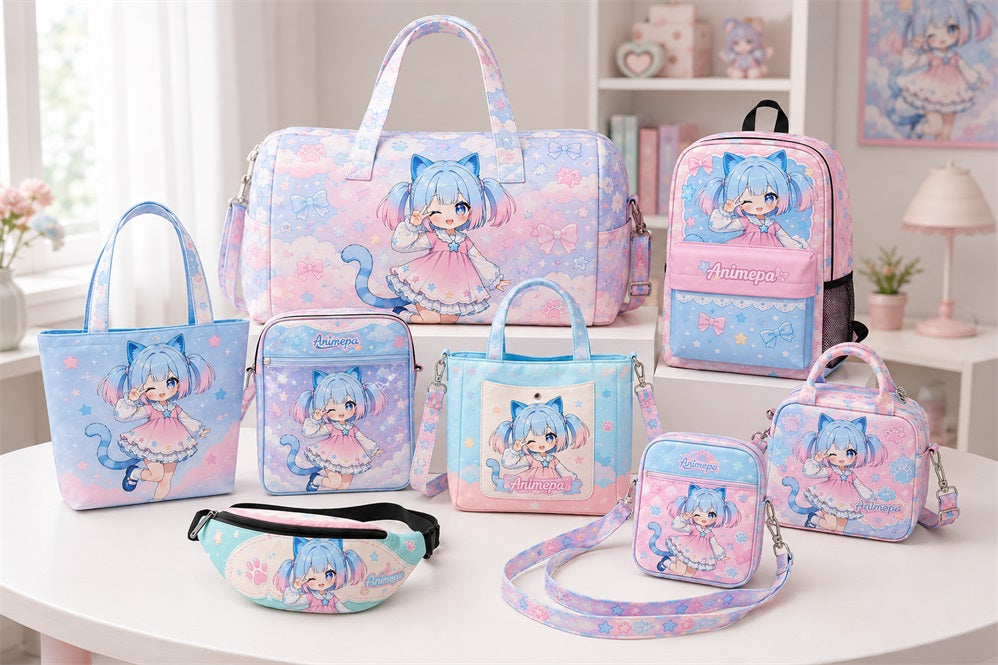
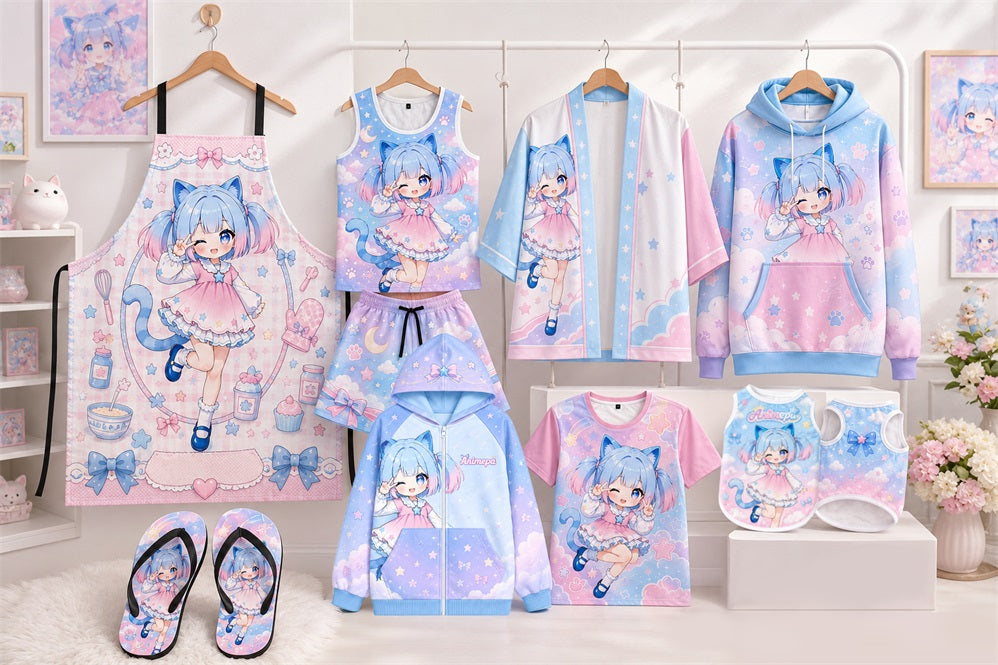
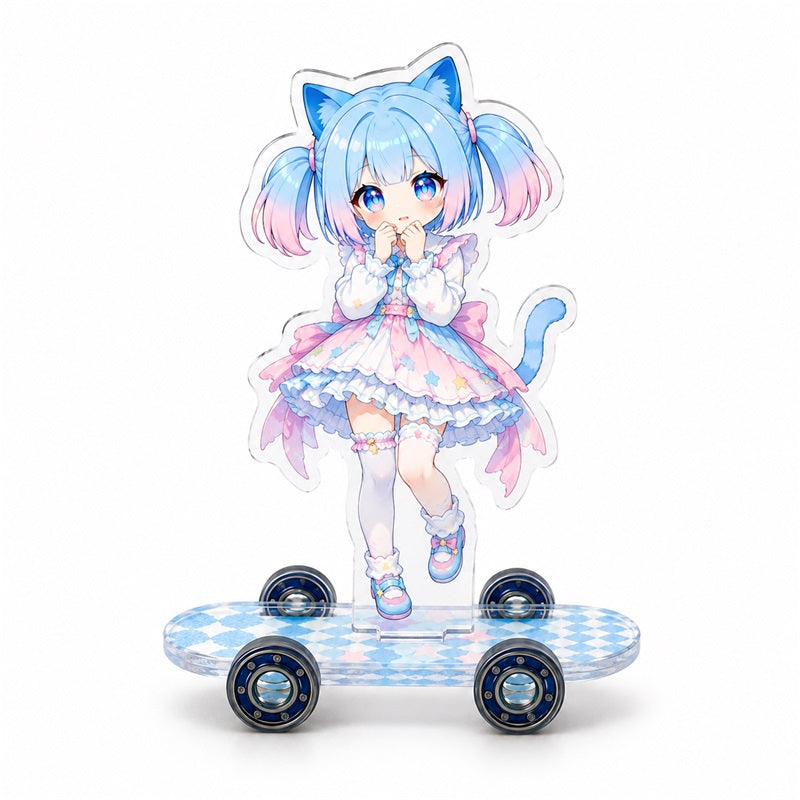
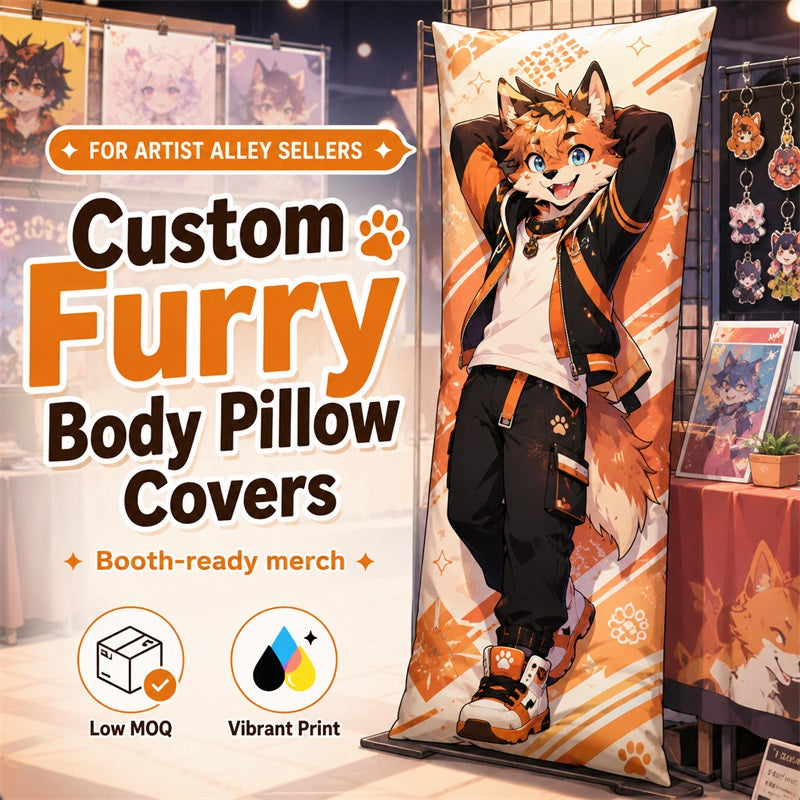
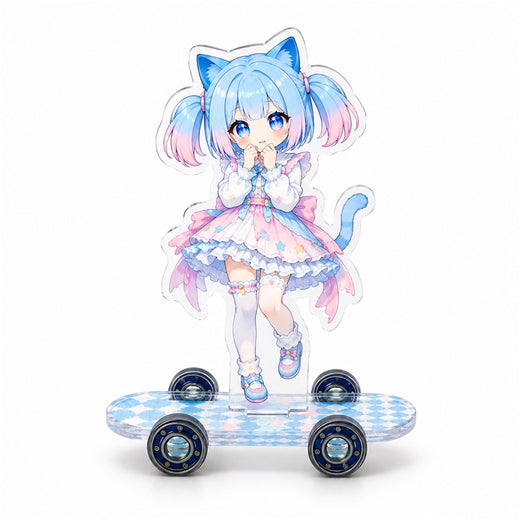
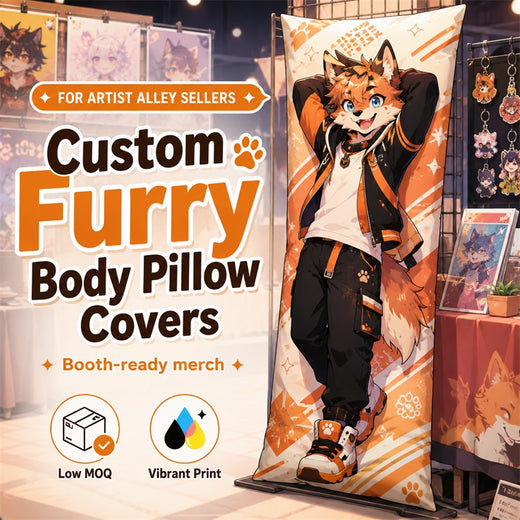
Decide which products make sense for your audience. Popular formats for original-character and Artist Alley collections include custom acrylic keychains, acrylic standees, custom pillow covers, tote bags, and apparel. Each format has its own material, printing, hardware, and packaging decisions.
At Animepa, many standard custom products start at 5 pieces per design. Some specialty processes have higher minimums: certain liquid/quicksand options start at 10 pieces, while certain holographic options start at 20 pieces. The precise MOQ depends on the product and finish, so check the listing and quotation rather than assuming one minimum applies across the catalog.
Example: If two original-character designs each meet a five-piece minimum for keychains and pillow covers, the order would contain 20 pieces in total: two designs × two product types × five pieces. This is an illustration, not a universal order rule. Combining the products into one coordinated order does not automatically allow an unmet MOQ for one item to be offset by another.

Step 3: Send a Brief That Produces an Accurate Quote
Instead of sending only a picture and asking “How much?”, include the information a manufacturer needs to price and schedule the work:
- Product type and quantity for each design
- Dimensions, materials, thickness or fabric, and preferred finish
- Single-sided or double-sided printing and accessory or hardware choices
- Whether you need individual retail packaging, backing cards, or branded inserts
- Shipping destination and any target launch date
- Whether you need a physical sample before bulk production
- Any known safety, labeling, or documentation requirements for the destination market
Ask for an itemized quotation identifying the basis of the unit price, any setup cost, sample cost, packing choices, expected milestones, and shipping arrangement. This makes supplier comparisons much more meaningful than comparing unit price alone.
If you are still comparing factories, use our 12-point anime merch manufacturer scorecard to check MOQ flexibility, quality processes, and supplier readiness.
Step 4: Prepare Print-Ready Artwork for Each Product
A high-resolution illustration is a strong starting point, but every product requires its own layout rules. Keep source files available where possible, and request the manufacturer's exact template before finalizing your files.
| Product | Artwork details to confirm |
|---|---|
| Acrylic keychains | Cutline, bleed, transparent background where needed, print side(s), hole location, and hardware |
| Acrylic standees | Character outline, base shape and slot alignment, dimensions, and front/back artwork |
| Pillow covers | Correct aspect ratio, printable area, seam allowance, fabric choice, and zipper placement |
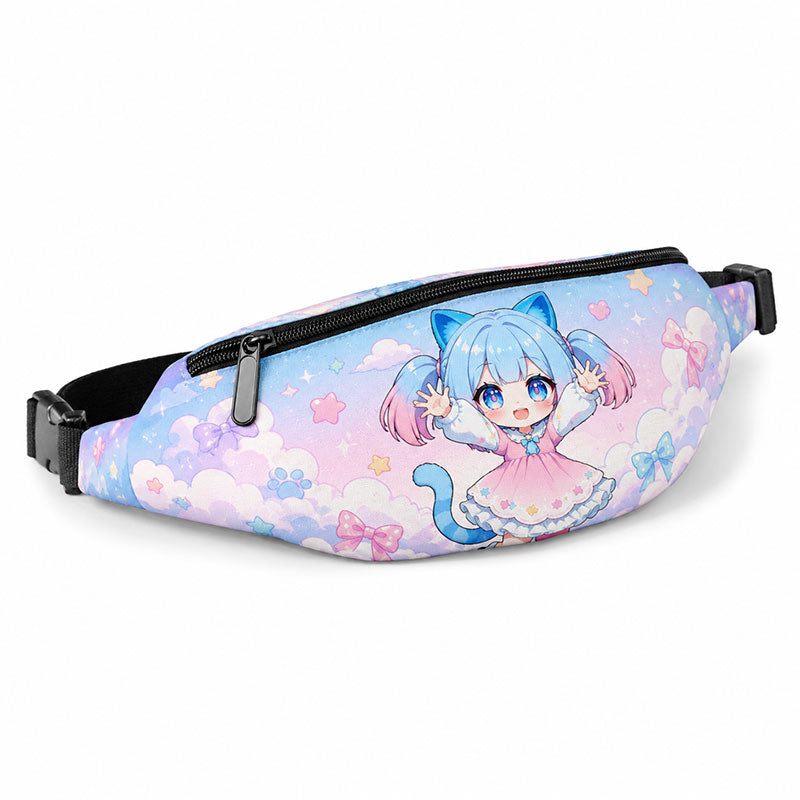
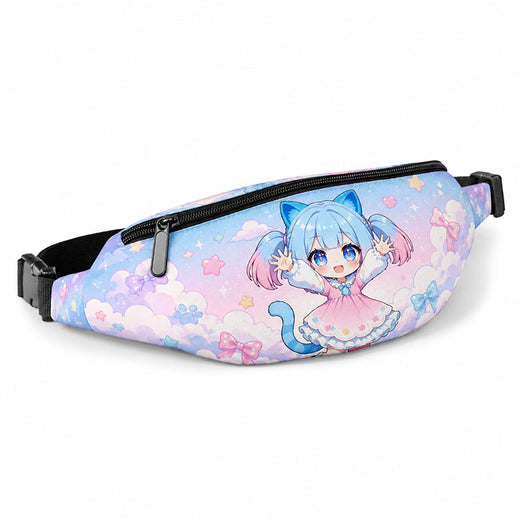
| Tote bags and apparel | Print area, seam placement, fabric behavior, size range, and color expectations |
Ask the supplier about accepted formats, resolution, color profiles, bleed, and cutline specifications rather than using one fixed setting for every process. A digital proof can confirm placement, but screen colors are not a guarantee of the final appearance on acrylic, fabric, or another substrate.

Step 5: Approve Proofs and Samples Before the Main Run
The review stage is where you catch expensive mistakes early. Check the artwork orientation, dimensions, spelling, finish, hardware, packaging, and placement. For double-sided acrylic, verify which design appears on each side. For textile products, confirm that the chosen fabric and sewing details match the intended product.
A physical sample is particularly valuable for first-time products, unfamiliar materials, special finishes, or color-sensitive designs. Ask whether sampling is available, what it costs, how changes are handled, and whether any sample fee can be credited or refunded after a qualifying bulk order. These arrangements should be confirmed in your quotation.
Keep a record of the approved proof or sample and the final specifications. Do not rely solely on a brief approval message that does not identify which file version was accepted.

Step 6: Confirm Production and Check Quality at the Right Stages
After approval, reconfirm the quantity, artwork version, material, finish, packing instructions, and agreed production milestones. The production schedule should distinguish artwork review, sample approval, manufacturing, and shipping; it can change with order complexity and capacity.
Quality checks should focus on the actual product. For acrylics, look for print registration, edge finish, scratches, and accessory attachment. For sewn products, check dimensions, stitching, material, zipper operation where applicable, and print placement. For all products, confirm quantities, artwork versions, and packing against the approved order. Ask in advance how defects or deviations will be addressed.
Step 7: Plan Packaging, Compliance, and Export Details
For an Artist Alley booth, simple protective packaging may be sufficient. For retail or distribution, you may need branded cards, labels, warning information, or market-specific documentation. Requirements differ by destination, product use, age grading, and material. Labels and test reports should be checked against the product and intended sales market rather than assumed to apply to everything.
Before freight is booked, confirm the commercial invoice details, product descriptions, quantities, destination, and the party responsible for customs clearance and import obligations. Ask whether shipping is quoted separately and which shipment terms apply. This prevents avoidable surprises at the end of the order.
Step 8: Ship, Review, and Prepare for Reorders
Keep your approved designs, sizes, material choices, packaging specifications, and order notes in one place. When you reorder a successful product, share the previous approved specification and identify any requested changes. That makes it easier to preserve consistency while expanding your collection.
For overseas orders, compare freight options in terms of total landed cost, transit expectations, and the urgency of your launch. Do not assume that production time and door-to-door shipping time are the same thing. Confirm the current estimated schedule for your actual order.

Common Questions About Custom Anime Merch Production
Can independent artists place small custom merch orders?
Yes. Animepa supports low-MOQ customization on many standard products, often starting at five pieces per design. Confirm any higher minimum for a special finish or product construction.
Can I order several different products in one shipment?
A multi-product order can be coordinated together, such as keychains, standees, and pillow covers. Each product or artwork still needs to satisfy its applicable MOQ and production requirements. Shipping consolidation depends on the order and the agreed logistics arrangement.
Do I have to provide vector artwork?
Not always. Requirements depend on the product and printing method. High-resolution raster artwork may work for many printed designs, while vector cutlines or production templates may be needed for shaped products. Confirm requirements before submitting the final file.
How long does an OEM merch order take?
There is no single accurate timeline for every custom product. Artwork readiness, sampling, materials, special finishes, quantity, factory workload, and freight route can change the schedule. Ask for a stage-by-stage estimate tied to your actual specification.
Is a physical sample mandatory?
Sample requirements vary. A physical sample is strongly recommended for new or technically complex merchandise, while some repeat orders can follow an already approved specification. Agree on the approval method before starting production.
Start Your Custom Anime Merch Project With Animepa
Animepa offers factory-direct OEM/ODM support for artists, Artist Alley sellers, brands, and international buyers looking to turn original artwork into merchandise. Share your design files, desired products, quantity per design, and delivery destination. We can review customization options, confirm the appropriate MOQ, and explain the next production steps.
Send your project details to Animepa on WhatsApp or email ecaiwendy@animepa.com.


Dejar un comentario