


How to Choose an Anime Merch Manufacturer: 12-Point Scorecard
Quick answer: The best custom anime merch manufacturer is not simply the one with the lowest unit price. Compare artwork-rights procedures, minimum order quantities (MOQs), sampling, printing quality, product range, lead-time communication, and shipping readiness. Use the 12-point supplier scorecard below to turn those checks into a repeatable sourcing decision.
For independent artists, Artist Alley exhibitors, VTubers, online shops, and growing merchandise brands, choosing a manufacturing partner affects much more than one product. One poorly checked sample can become a whole batch of off-color acrylic keychains, misaligned standees, or pillow covers that do not match the approved artwork. A practical scorecard helps you find problems before placing a larger order.


Before You Score: Confirm Two Non-Negotiable Requirements
Artwork rights: For original character art, confirm that you own or have permission to use the artwork for the merchandise you plan to sell. For licensed characters or third-party IP, confirm that your permission covers the relevant products and markets. A manufacturer does not automatically own the rights to artwork submitted by a customer. Fan-art permissions can be complex and vary by rights holder and jurisdiction.
Product and destination requirements: Identify the intended sales market and product category before requesting test reports or certificates. Requirements can differ for children's products, textiles, accessories, and other items. Do not assume that a general certification covers every product or market.
The 12-Point Anime Merch Manufacturer Scorecard
Give each supplier a score from 1 (poor or unverified) to 5 (clearly demonstrated). The suggested weights add up to 100 and prioritize small-batch custom merchandise. Ask for concrete evidence rather than relying on a supplier's marketing statements.
| Capability | What to verify | Weight |
|---|---|---|
| 1. Artwork rights & IP process | How the supplier checks rights and handles submitted customer artwork | 12 |
| 2. Product category range | Actual samples across acrylic, textile, bag, and apparel categories you need | 8 |
| 3. MOQ flexibility | Minimum quantity by product, finish, and design; whether designs can share an order | 13 |
| 4. OEM/ODM customization | Available shapes, sizes, materials, finishes, packaging, and design-review support | 10 |
| 5. Sampling and revisions | Physical sample options, approval process, fees, and revision conditions | 10 |
| 6. Market-specific compliance | Applicable labels, documents, and testing for your destination and product type | 10 |
| 7. Lead-time transparency | Written estimates for artwork approval, sampling, production, and shipping | 9 |
| 8. Quality control | Proof approval, color and material checks, inspection, and defect-resolution policy | 10 |
| 9. Custom packaging | Retail bags, inserts, backing cards, cartons, and any additional minimums or fees | 4 |
| 10. Reorder consistency | How approved specs and colors are retained for future runs | 5 |
| 11. Communication | Clear, specific answers and a workable process for change requests | 5 |
| 12. Verifiable experience | Relevant samples, production photos, or references that can be shared appropriately | 4 |
How to calculate your result: For each row, multiply the supplier's 1–5 rating by its weight and divide by 5. Add all 12 results for a score out of 100. For example, a supplier with a 4/5 score on MOQ receives 10.4 of the 13 possible points. A scorecard helps compare options; it does not replace due diligence. Missing artwork permissions or mandatory compliance evidence should be addressed before ordering regardless of the total score.
What Matters Most for Small-Batch Artists?
1. Check the MOQ per design, not just the headline MOQ
A low minimum is only useful if you know what it applies to. Ask whether it is measured per artwork, per size, per finish, or per product type. Also ask whether multiple products can be ordered together without combining their separate minimums.
At Animepa, many standard custom merchandise items start at 5 pieces per design. Some special-effect options have different minimums; for example, certain liquid/quicksand items start at 10 pieces and certain holographic options at 20 pieces. Always confirm the MOQ on the specific product and finish before ordering. A mixed-category order can be coordinated together, but that does not mean separate product or design minimums are automatically pooled.
2. Test the exact material and finish you plan to sell
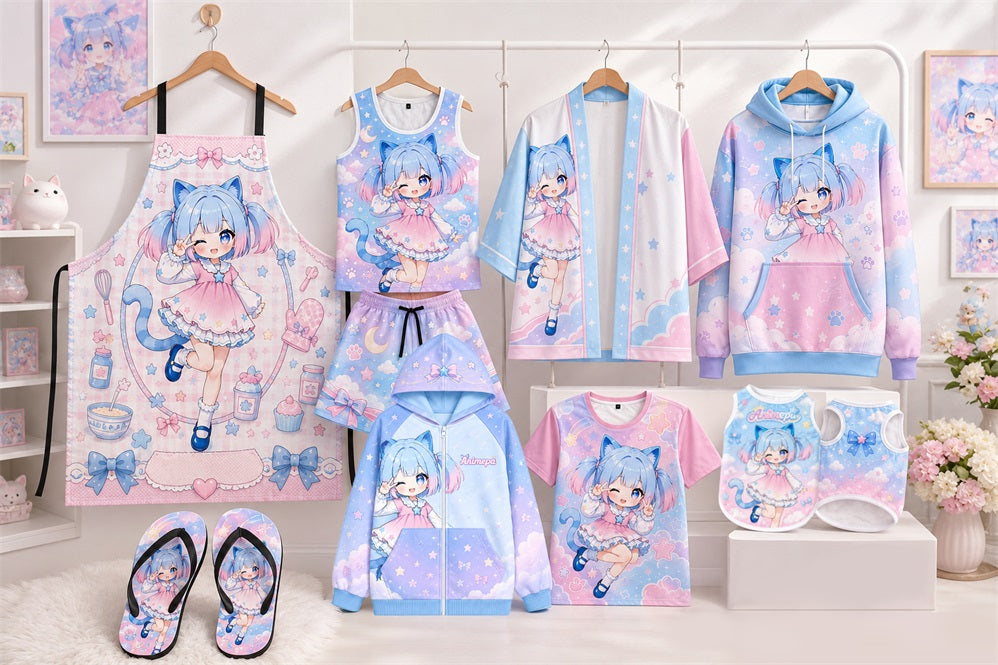
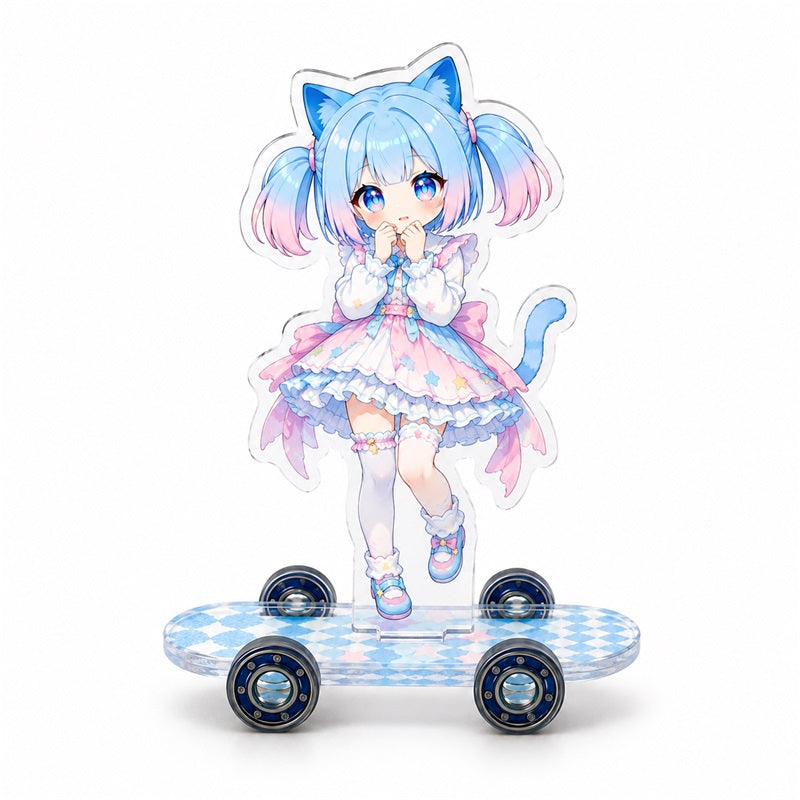
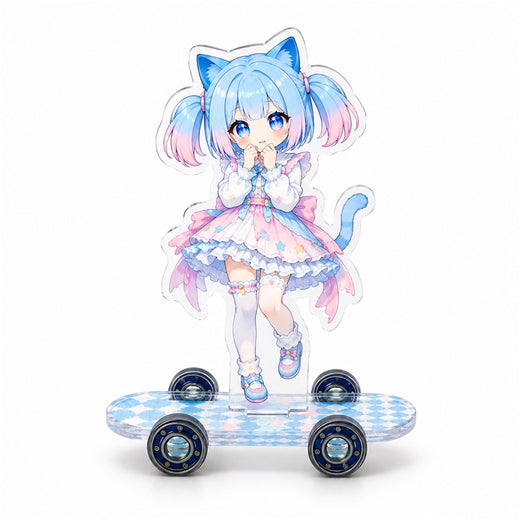
A clear acrylic keychain, a holographic standee, and a fabric pillow cover should not be judged using the same QC checklist. Acrylic products require checks for edge finishing, print alignment, hole placement, and protective film. Soft goods require checks for fabric feel, stitching, dimensions, zipper construction where applicable, and print placement.
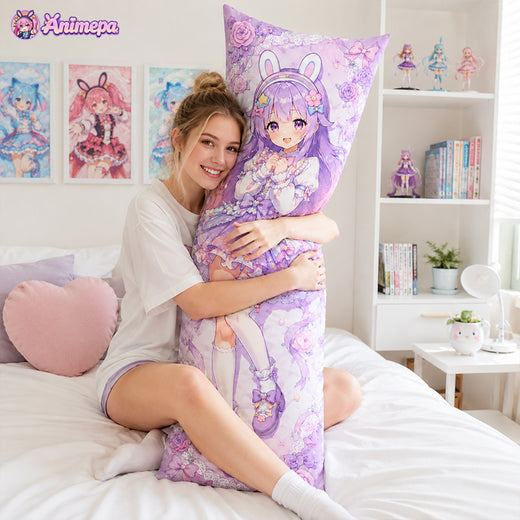
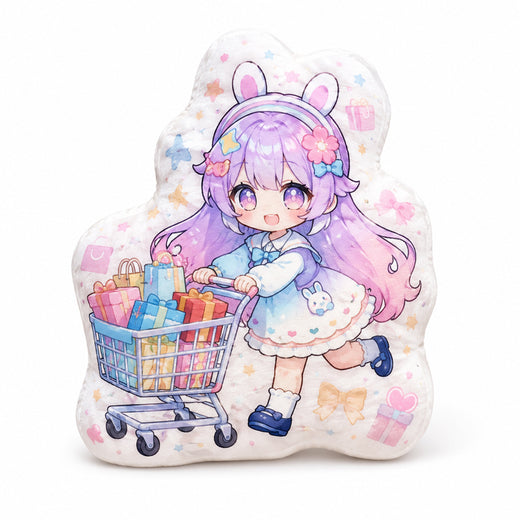
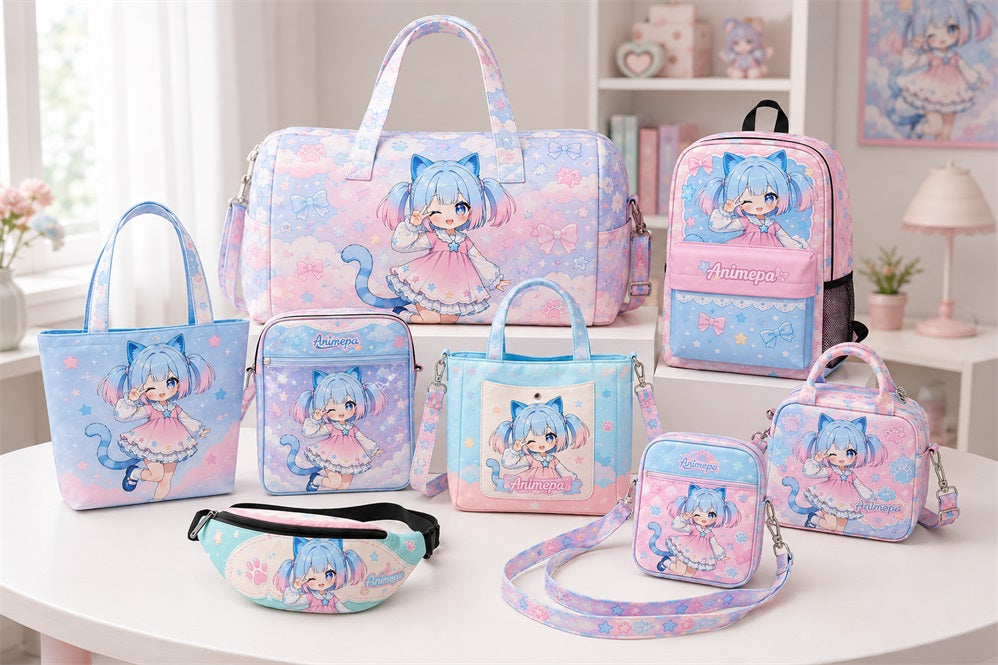
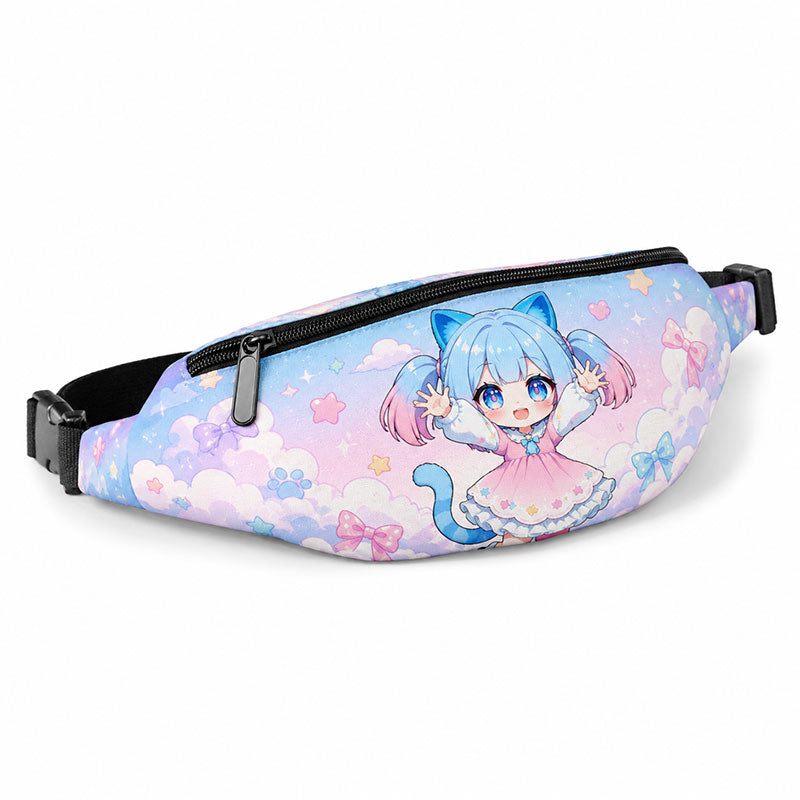
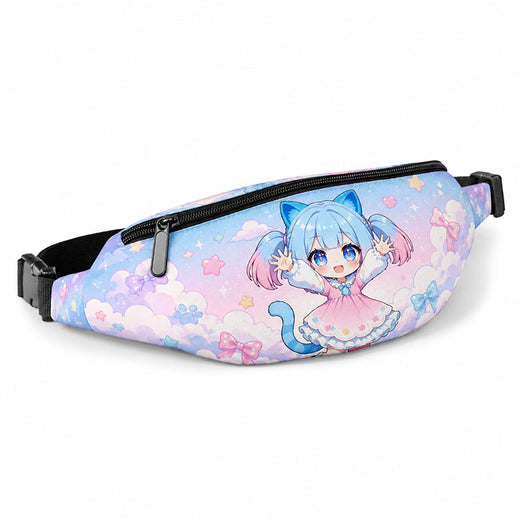
Browse examples of custom acrylic merchandise, custom anime pillows, and custom bags and pouches to compare product formats before asking for samples.
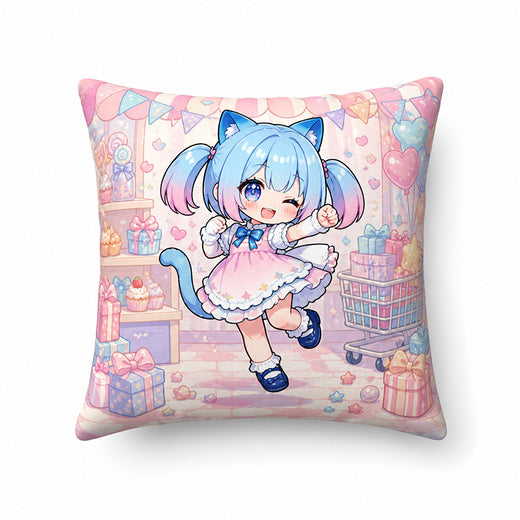
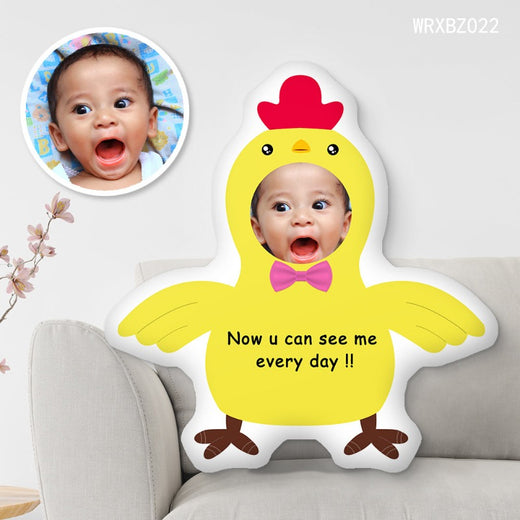
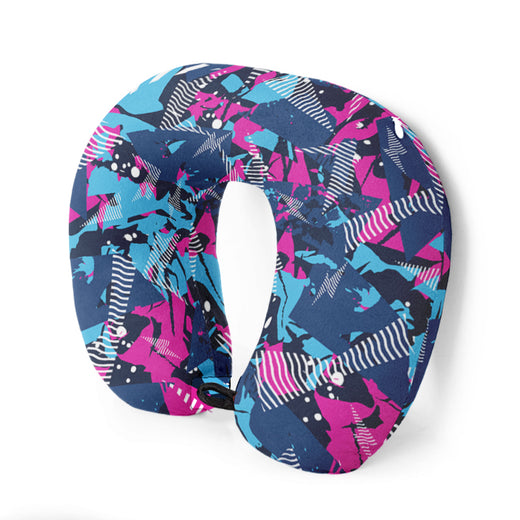
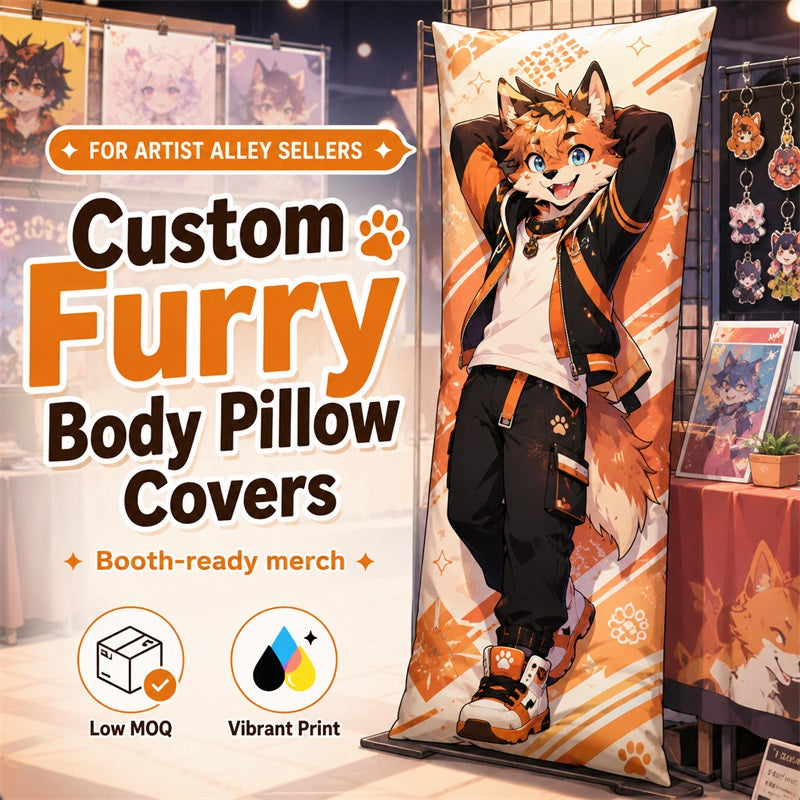
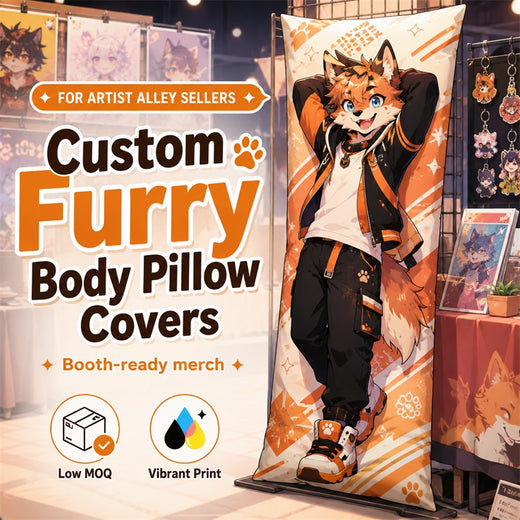
 Custom pillow cover example. Material and sewing quality should be evaluated separately from acrylic goods.
3. Separate production time from shipping time
Ask your supplier to break the schedule into artwork confirmation, optional sampling, sample approval, production, quality checks, and freight. The actual timeline depends on quantity, product type, finish, current production workload, and delivery destination. Be cautious of a single estimated date without these assumptions.
4. Understand what OEM/ODM means in your order
OEM normally means manufacturing to a buyer's design or specifications. ODM involves additional product-development input. A factory might offer custom printing on an existing product shape without offering entirely new tooling. Ask what can be changed, and which changes introduce a setup fee, different MOQ, or longer approval process.
Supplier Red Flags and Positive Signals
- Red flag: A supplier cannot state whether its MOQ applies per artwork or per item.
- Red flag: A quote omits material, thickness, size, finish, or packing method.
- Red flag: Only digital mockups are provided when physical quality is critical to the order.
- Red flag: The supplier offers blanket legal or safety guarantees without checking the actual product and market.
- Positive signal: The quote identifies assumptions, optional upgrades, sample costs, and expected milestones.
- Positive signal: The supplier can explain how an approved sample or proof will be used for bulk QC.
- Positive signal: Multiple product types can be managed in one order while their separate requirements remain clear.
Example: Compare Suppliers for an Artist Alley Launch
Imagine an artist launching three original character designs as acrylic keychains and tote bags. Instead of asking, “Can you make anime merch?”, send each supplier the same brief: three artwork files, product sizes, preferred materials, quantities per design, packaging requests, and target delivery location. Request itemized quotes and ask each supplier to explain its MOQ per design and product. Then score all suppliers against the same 12 factors.
This keeps the comparison focused on the capabilities that affect your launch rather than headline prices that may exclude sampling, packaging, or freight. For a broader first-pass checklist, read our five questions to ask before sourcing custom anime merchandise from China.
Once you have chosen a supplier, follow our step-by-step custom anime merch OEM workflow to prepare artwork, approve samples, and plan production.
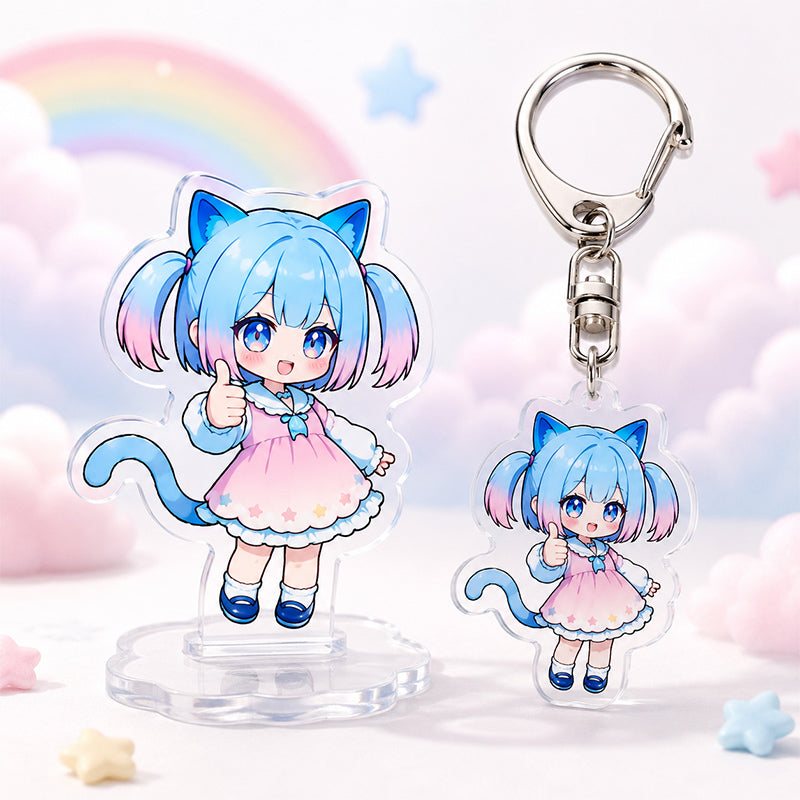
 Custom acrylic keychain example: specify artwork, size, hardware and quantity per design.
Frequently Asked Questions
Do I need a large wholesale order to work with an anime merch manufacturer?
Not necessarily. MOQs vary widely by product and process. Many Animepa standard options start at five pieces per design, while specialty options can require higher minimums. Request a quote for the exact SKU and finish.
Can I use different artwork across several custom products?
Yes, multi-product orders can include different artwork files. However, each design and product must meet its applicable requirements. Ask for a written breakdown rather than assuming a total quantity can be split freely.
Does my manufacturer need to own the anime character license?
It depends on whose artwork is being used. Original artwork that you are authorized to merchandise is different from a third-party character that requires rights clearance. Confirm the relevant permissions before production; seek appropriate legal advice if ownership is uncertain.
Should I order a physical sample before a production run?
A physical sample is especially useful when you are testing a new material, fit, color-critical print, or complex construction. Discuss sample costs, revisions, and approval requirements with the supplier; conditions may differ by product.
Ready to Compare Your Custom Merch Options?
Animepa supports custom anime merchandise for independent artists, Artist Alley sellers, brands, and wholesale buyers. Send your artwork, product list, expected quantities, and destination; our team can confirm the appropriate MOQ, available customization, sampling options, and quotation for each item.
Contact Animepa on WhatsApp for a custom quote or email ecaiwendy@animepa.com.


Leave a comment