


How to Start a Merch Business as an Independent Artist: Artist Alley & Online Shop Guide
Quick Answer
You do not need a large company, a warehouse, or dozens of products to start an art-based merchandise business. A safer path is to begin with one clear audience, one recognizable visual style, and two or three products that suit both your artwork and your sales channel. Use low-MOQ production or preorders to test demand, calculate every real cost before setting prices, create useful product photos and content, and expand only after customers show you what they want.

The goal of your first launch is not to look like a huge brand. It is to prove that a specific group of people wants to buy a specific version of your art.
This approach is especially useful if you are preparing for your first Artist Alley, anime convention, creator market, or small online merch launch. Instead of guessing what convention visitors might buy, you can build a focused collection, test several designs in manageable quantities, and use real sales data to decide what deserves a larger reorder.
For illustrators, character designers, VTubers, streamers, convention sellers, and small creative studios, merchandise can turn digital artwork into something fans can carry, wear, display, collect, or use every day. The process becomes much more manageable when you treat the first collection as a controlled business test instead of an all-or-nothing launch.
This guide explains how to move from artwork to a small, practical merch business—and how to reduce common risks involving inventory, pricing, production, and shipping.
Why Merch Can Be a Strong Business Model for Artists
Commission work and digital sales can be valuable, but both have limitations. Commissions are tied closely to your available time, while digital products may not give every fan the physical connection they want. Merchandise creates another way for customers to support your work without requiring you to create a completely new commission for every purchase.
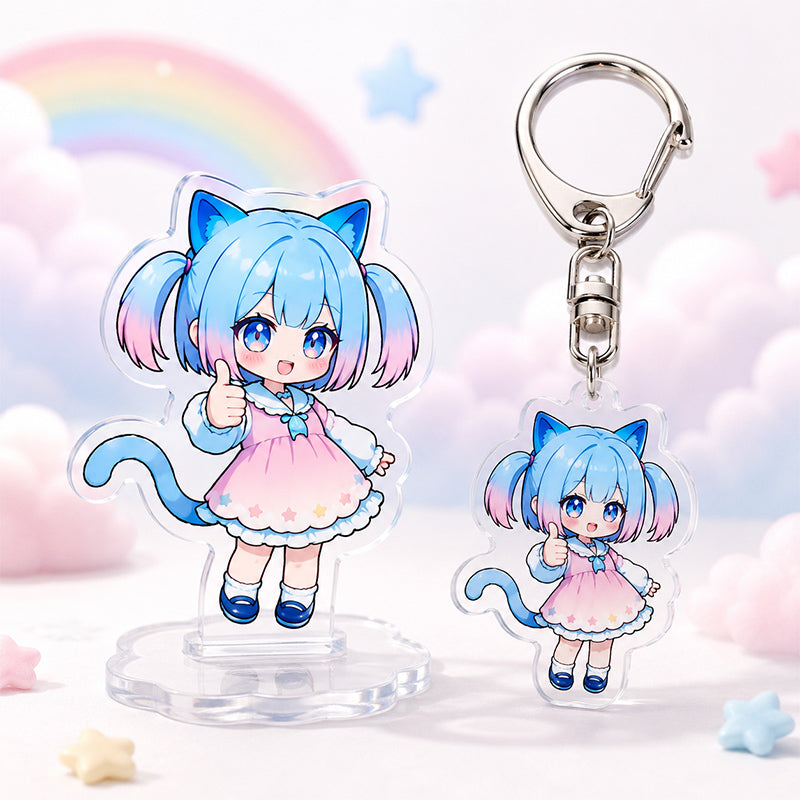
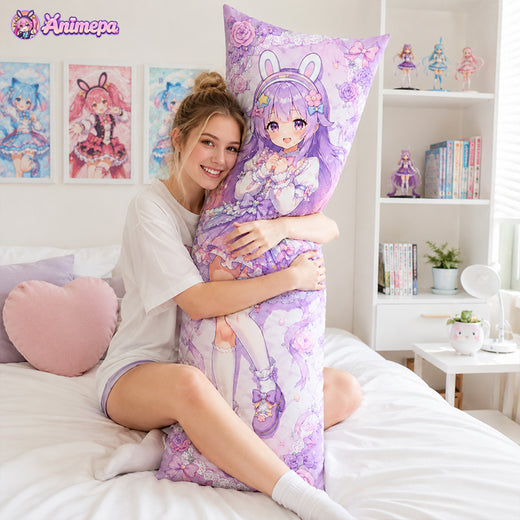
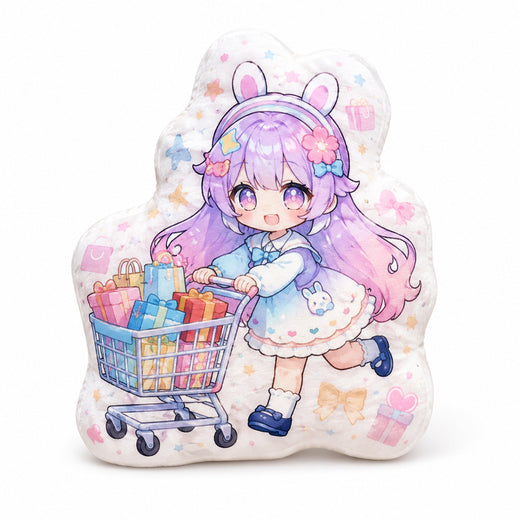
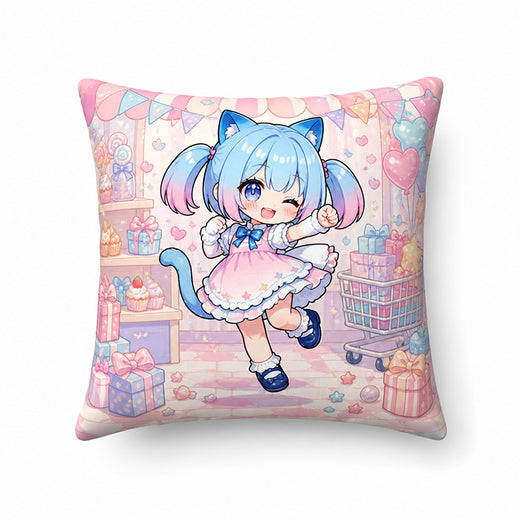
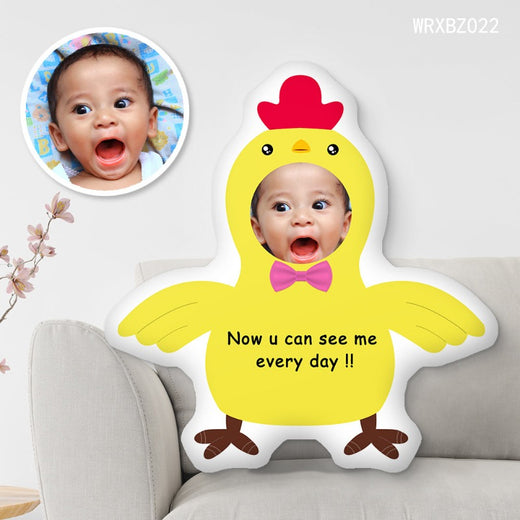
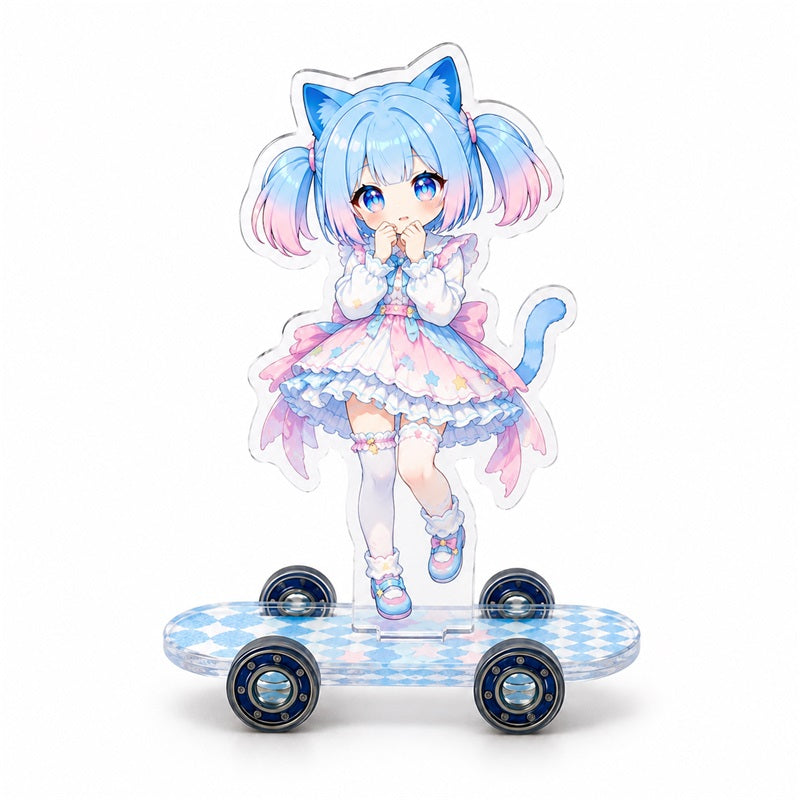
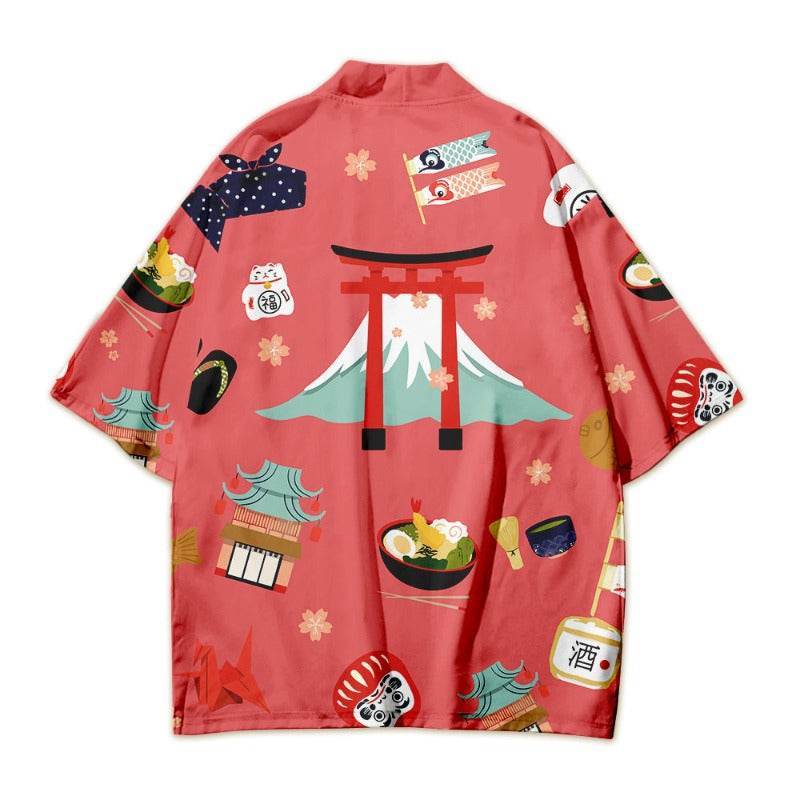
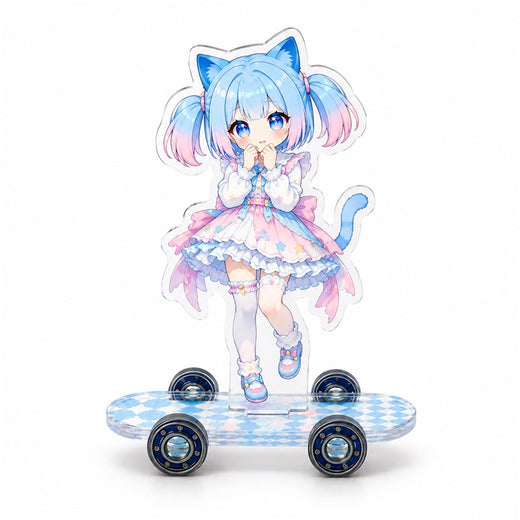
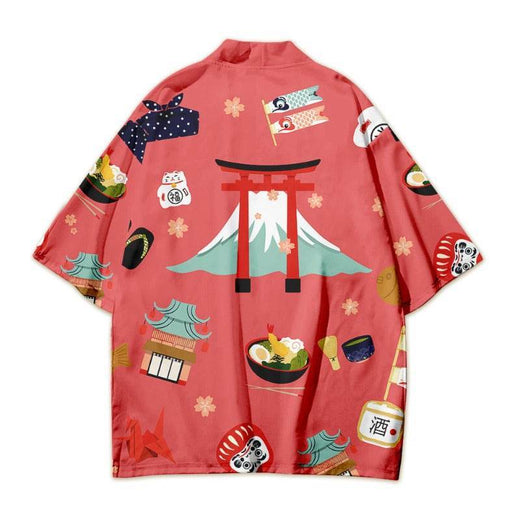
A strong design can also be adapted across several product types. One character illustration might become an acrylic keychain, standee, tote bag, shaped pillow, mouse pad, wall scroll, or haori. This does not mean you should manufacture all of them immediately. It means successful artwork can become the foundation of a coordinated collection over time.
Merch can help an artist:
- Build a recognizable creative brand
- Earn from existing artwork in more than one format
- Offer products at different price levels
- Make convention booths and online shops feel more complete
- Create limited drops around seasons, stories, or character releases
- Encourage repeat purchases from collectors and supporters
- Learn which characters, colors, and product formats audiences prefer
The important shift is to stop thinking only about “putting art on products.” A merch business combines art direction, audience knowledge, product selection, pricing, presentation, customer service, and reliable fulfillment.
Step 1: Define a Specific Audience Before Choosing Products
“People who like art” is too broad to guide a product launch. Your first collection becomes easier to plan when you can describe the customer more clearly.
For example:
- Anime convention visitors who collect small character goods
- Fans of an original fantasy world or webcomic
- VTuber viewers building themed desk setups
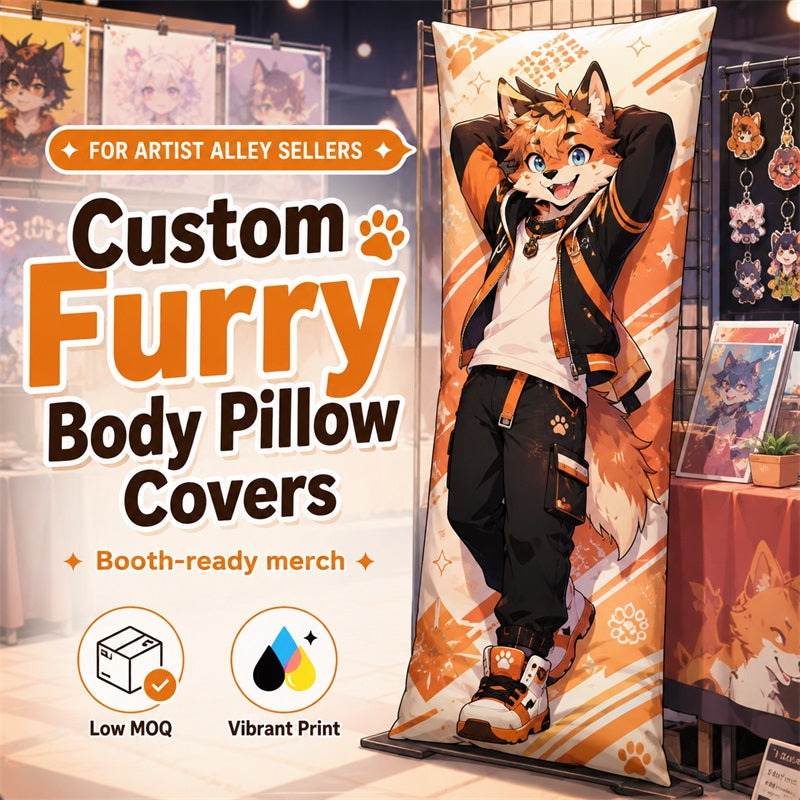
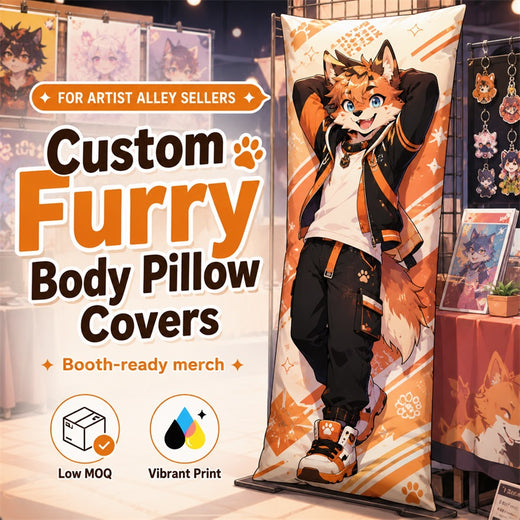
- Furry fans who buy character-based room decor
- Gamers who like large desk mats and matching accessories
- Customers who prefer cute, practical everyday products
- Followers who want limited items from a specific illustration series
Ask yourself three questions:
- Who already responds most strongly to my work?
- Where do these people normally discover and buy products?
- What would they realistically carry, wear, display, or use?
Your audience affects almost every later decision. A convention seller needs products that are visually clear, easy to display, and manageable to transport. An online-only brand can offer larger items but must pay more attention to product photography, packaging, and shipping. A VTuber may prioritize desk goods, acrylics, and collectible sets, while a lifestyle illustrator may have more success with bags, apparel, and home products.
Do not choose a product only because it is trending. Choose it because it fits your artwork, audience, price range, and sales channel.
Step 2: Validate Interest Before Buying Inventory
One of the biggest early mistakes is treating social media likes as confirmed demand. Likes show interest in the artwork, but they do not automatically show that people will buy a specific product at a specific price.
You can validate an idea with:
- A poll comparing two or three product concepts
- A waitlist or email signup page
- Product mockups posted with an estimated price range
- A preorder campaign with a clear closing date
- A small convention test
- A limited first batch
- Direct questions to repeat customers or active community members
Try to make the test specific. Instead of asking, “Would you buy merch from me?” show a realistic tote bag, acrylic standee, or shaped pillow concept and ask which version they prefer.
Preorders can reduce inventory risk, but only if the terms are clear. Explain the order window, estimated production period, shipping expectations, possible delays, and refund policy. Do not promise an event delivery date until production and shipping options have been checked.
If your audience is still small, that does not mean you must wait indefinitely. It means the first batch should be smaller and more focused. A low-MOQ order can provide real samples for photography, content creation, reviews, and in-person sales without forcing you to purchase hundreds of units.
Step 3: Start with Two or Three Products, Not an Entire Catalog
A first launch with too many products creates more work than it appears to. Every product may require its own artwork layout, sample review, pricing, photography, description, packaging decision, and inventory tracking.
A focused starter collection is usually easier to manage.
Option A: Convention Starter Collection
- Acrylic keychain or small acrylic item
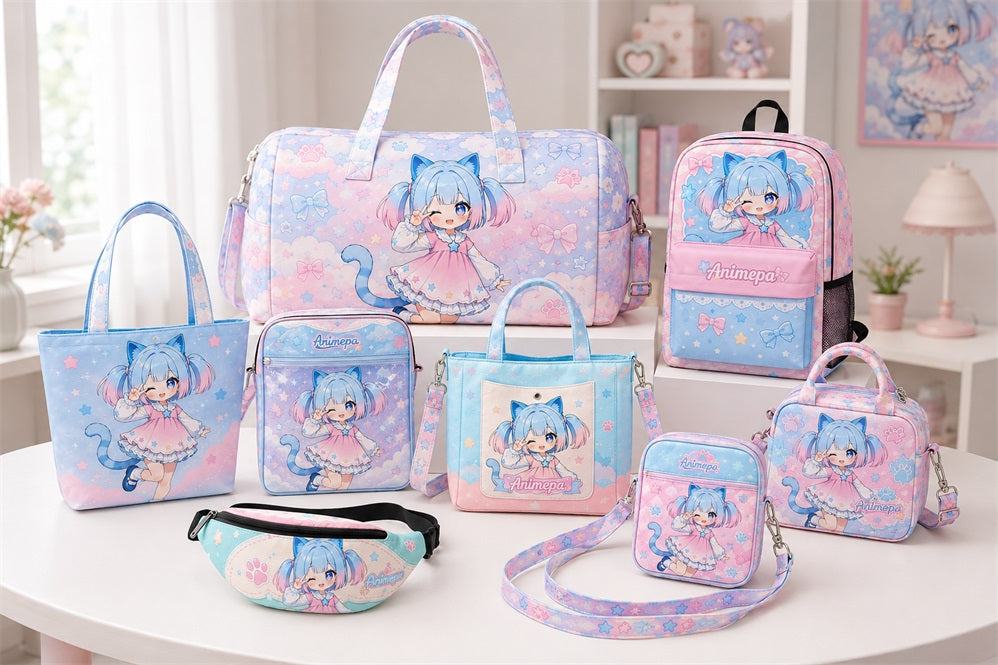
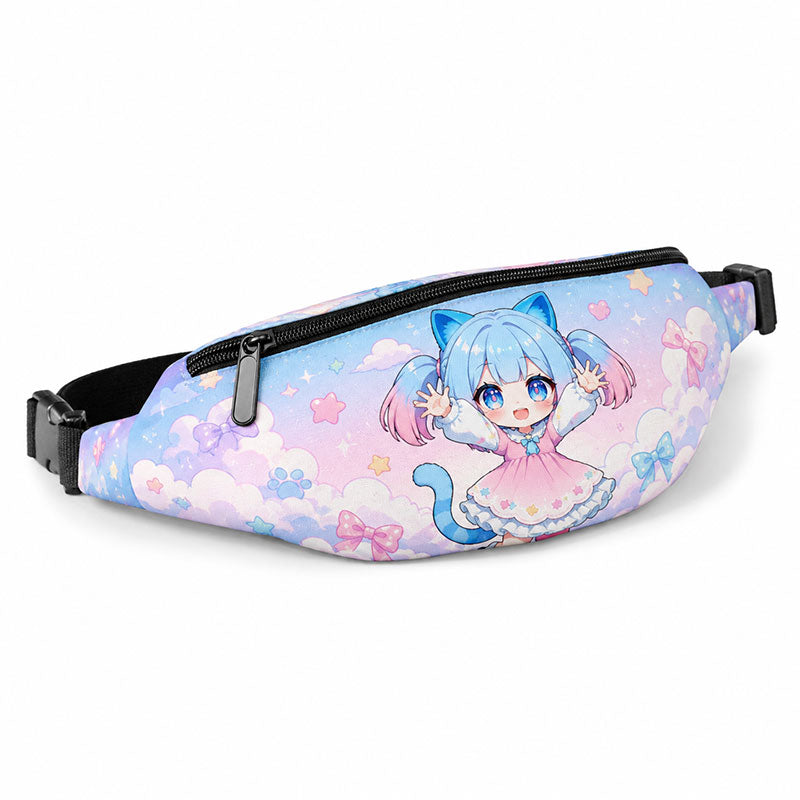
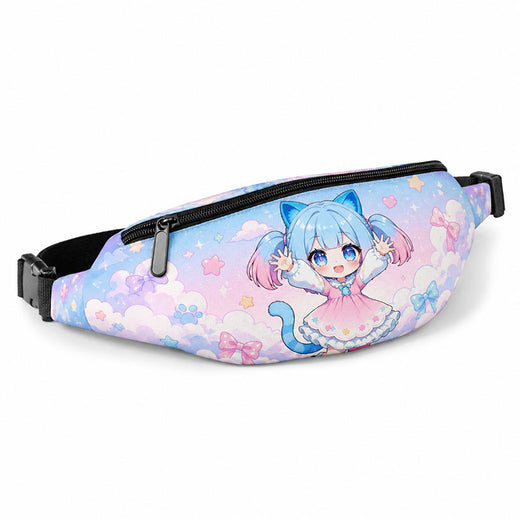
- Tote bag or small pouch
- One visual statement product, such as a standee or shaped pillow
This creates an entry-level item, a practical mid-range item, and a larger product that attracts attention.
Option B: Online Shop Starter Collection
- Mouse pad or desk mat
- Tote bag
- Pillow or blanket
This combination gives customers products for their desk, daily routine, and home. Larger products require more shipping planning, but they can also carry a higher perceived value.
Option C: Creator or VTuber Collection
- Acrylic standee
- Desk mat
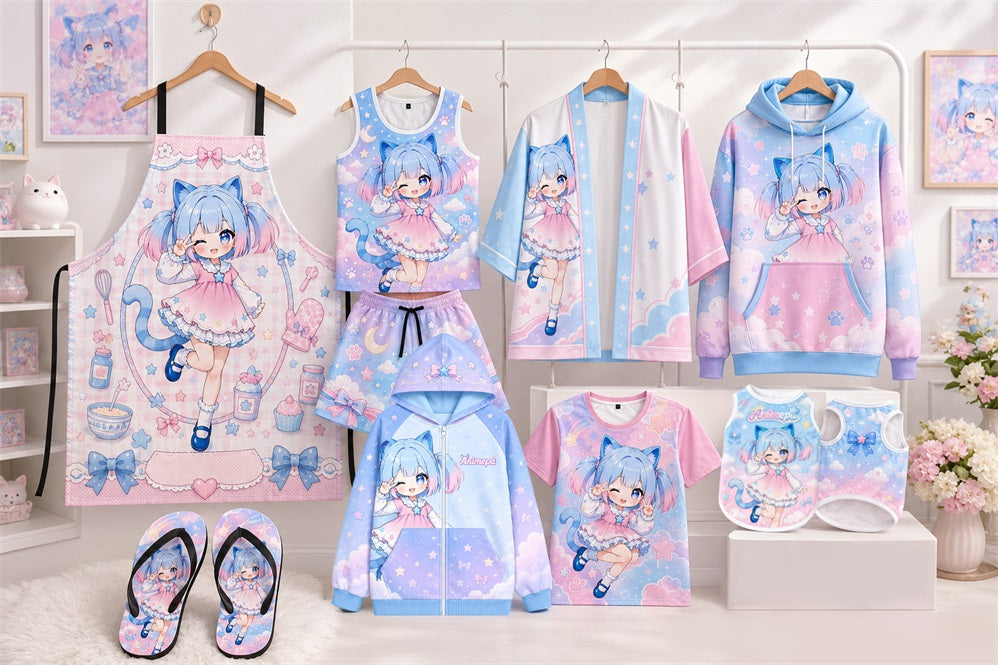
- Pillow, apparel item, or tote bag
These products can create a coordinated visual world around a character or creator identity.

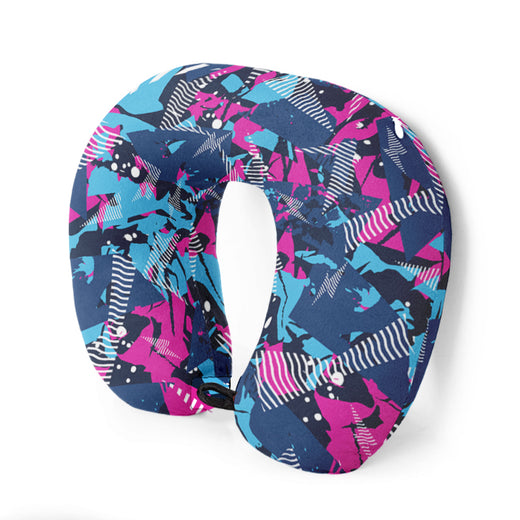
If you are unsure which formats suit your art, browse Animepa’s custom acrylic products, custom pillows, bags and pouches, custom apparel, and other custom merch options. You can also read our guide to expanding a merch catalog with lifestyle products when you are ready to move beyond a basic starter range.
Step 4: Match the Product to the Artwork
Good product selection makes the artwork feel intentional.
| Artwork Style | Suitable Product Directions |
|---|---|
| Full-body character | Dakimakura cover, wall scroll, standee, apparel panel |
| Chibi or mascot | Keychain, shaped pillow, pouch, tote bag, small acrylic |
| Detailed horizontal scene | Mouse pad, desk mat, blanket |
| Repeating pattern | Bag, apparel, blanket, scarf, accessory |
| Logo or symbol | Apparel, tote bag, badge, drinkware |
| Large illustration | Wall decor, blanket, desk mat, pillow |
Remember that one file rarely fits every shape without adjustment. A vertical illustration may need a new crop for a square pillow. A detailed scene may become unreadable on a small charm. A repeating pattern may need extra bleed and careful spacing.
Ask for the correct product template before finalizing the design. Check resolution, dimensions, bleed, cutlines, color expectations, important safe areas, and whether the product uses single-sided, double-sided, or all-over printing.
Step 5: Build a Simple Brand, Not Just a Group of Products
You do not need an expensive branding project before your first launch. You do need enough consistency for customers to recognize you.
Start with:
- A clear artist or studio name
- A simple logo or wordmark
- Two or three consistent brand colors
- A recognizable photography or mockup style
- Consistent product titles and descriptions
- A short explanation of the world, story, or idea behind the collection
- The same account name across major social platforms when possible
Your first collection should feel connected. Products do not need to use exactly the same image, but they should share a theme, character group, palette, or story.
For example, instead of releasing one unrelated tote bag, one unrelated keychain, and one unrelated pillow, create a “Night Market” collection with matching colors and several characters. Coordinated collections are easier to photograph, promote, bundle, and remember.
Step 6: Calculate the Real Cost Before Setting a Retail Price
Production cost is only one part of your total cost.
Include:
- Product manufacturing
- Sample cost
- International shipping
- Customs duties or import taxes where applicable
- Packaging materials
- Labels, inserts, or thank-you cards
- Payment processing fees
- Marketplace or ecommerce platform fees
- Advertising or creator promotion
- Convention table and travel costs
- Damaged, lost, or unsold units
- Your own time for packing and customer support
A simple starting formula is:
Total landed cost per unit = product cost + allocated shipping + allocated duties/taxes + packaging + platform/transaction costs
Your selling price must leave room for profit after these costs. It should also leave some flexibility for discounts, wholesale orders, damaged products, or future advertising.
Do not copy another artist’s price without knowing their material, order quantity, shipping route, tax situation, audience, or business model. A product can look similar while having a very different cost structure.
Create at least three scenarios:
- Conservative sales estimate
- Expected sales estimate
- Strong sales estimate
Then calculate what happens if part of the inventory remains unsold. If the conservative case would create a serious financial problem, reduce the first order, simplify the product range, or use a preorder.
Step 7: Use Low MOQ and Samples as Risk-Control Tools
Low MOQ is not only a supplier feature. It is a business strategy.
Small-batch production allows you to:
- Test a new character or design
- Compare two product concepts
- Photograph real products before a larger launch
- Prepare a limited convention drop
- Learn how customers respond to price and quality
- Avoid locking too much cash into inventory
- Improve artwork and packaging before reordering
Samples are especially useful when color, fabric feel, sewing, size, cutline accuracy, or print detail affects the buying experience. Digital mockups help confirm placement, but a physical sample can reveal information that a screen cannot.
Animepa supports flexible custom orders for artists, brands, shops, and convention sellers, with many regular products starting from 5 pieces. Available MOQ depends on the product, size, material, and process. Mockup, template, sample, artwork-checking, and production follow-up support can help creators confirm important details before a larger run.
Step 8: Prepare a Realistic Launch Plan
A merch launch needs more than a single “now available” post.
Four to Six Weeks Before Launch
- Confirm the audience, collection theme, and products
- Request templates and prepare artwork
- Calculate costs and estimated retail prices
- Check production and shipping timing
- Decide whether the launch uses stock, preorders, or both
Two to Four Weeks Before Launch
- Review mockups or samples
- Prepare product descriptions and policies
- Photograph or film samples
- Create an email waitlist or product interest form
- Start showing behind-the-scenes development
Launch Week
- Publish clear product photos, dimensions, materials, and prices
- Explain ordering and shipping timelines
- Share close-ups and product-use scenes
- Create bundles where they genuinely add value
- Answer questions consistently across channels
After Launch
- Track sales by product and design
- Record frequently asked questions
- Ask customers for feedback and permission to share photos
- Identify products that deserve a reorder
- Discount or bundle slow-moving stock carefully
- Use the results to plan the next small test
If you have a fixed convention or campaign date, work backward from the date and allow contingency time. Production and international delivery vary by product, quantity, destination, and shipping method. Fast support is useful, but a responsible plan should never depend on the best-case schedule alone.
How to Prepare for Your First Artist Alley or Anime Convention
Preparing anime convention merch is different from preparing an online-only collection. At Artist Alley, customers see many booths in a short period of time. Your products need to be visually understandable from a distance, easy to browse at the table, and available at more than one price level.
The goal is not to bring every product you can manufacture. It is to create a booth that looks complete while keeping inventory, transport, and display manageable.
Build a Three-Level Convention Merch Mix
A practical Artist Alley merch collection can combine quick-grab items, table favorites, and a few statement pieces.
| Booth Role | Product Examples | Why It Helps |
|---|---|---|
| Quick-grab items | Acrylic keychains, pillow keychains, badges, small charms | Affordable, lightweight products that are easy to browse and add to another purchase |
| Table favorites | Acrylic standees, tote bags, pouches, mouse pads | Mid-range products that add variety and show more of the artwork |
| Statement pieces | Shaped pillows, desk mats, wall scrolls, haori, blankets | Larger products that attract attention and help the booth stand out |
This structure gives visitors several ways to support your work. Someone discovering you for the first time may choose a keychain, while an existing fan may want a standee, desk mat, pillow, or wearable item.
You do not need equal quantities of every product. Entry-level products may justify more stock because of their lower price and smaller size. Larger statement products can be displayed in lower quantities, with preorders or later online ordering available if stock sells out.
Choose Designs for Fast In-Person Browsing
Convention visitors may decide whether to stop at a booth within a few seconds. Lead with designs that remain recognizable from a distance.
Strong first-convention choices often include:
- Your most recognizable character or mascot
- Artwork that already receives consistent saves, comments, or requests
- Clear silhouettes and readable expressions
- Coordinated designs that can be displayed as a small collection
- A limited number of color palettes that make the booth feel visually connected
If you have many characters, resist the temptation to manufacture every design in every product. Start with two to four proven designs and give each one a clear role. One design might lead the acrylic collection, while another works better as a desk mat or wall scroll.
Work Backward from the Convention Date
Do not begin with the question, “How fast can this be produced?” Begin with the fixed event date and build a schedule backward.
Your timeline should include:
- Final artwork and product selection
- Template preparation and file checking
- Digital mockup approval
- Physical sampling when needed
- Production
- Quality inspection and packing
- International shipping and customs time
- A contingency buffer
- Time to label, count, price, and organize the products before the event
If the schedule is tight, reduce complexity before removing the safety buffer. Fewer products, fewer special processes, or a smaller initial collection may be more practical than depending on an ideal production and delivery timeline.
Plan for Booth Display and Transport
When deciding what to sell at an anime convention, consider how each product will reach the event and how it will be displayed.
Ask:
- Can the product lie flat, hang, or stand upright?
- Will customers be able to see the artwork without handling every item?
- How much suitcase, vehicle, or storage space will it require?
- Does the item need protective packaging?
- Can prices and product variations be understood quickly?
- Will large display samples also be available through online preorder?
Lightweight products are easier to transport, but larger convention booth products can help people notice you. A balanced mix lets the display create impact without making every unit expensive or bulky.
Turn Convention Visitors into Long-Term Customers
Artist Alley should not end when the event closes. Give interested visitors a simple way to find you again.
Useful options include:
- A QR code linking to your online shop or portfolio
- The same artist name on your booth sign, packaging, and social profiles
- A small card showing upcoming releases
- An email signup for restocks or future convention schedules
- Online preorders for products that sell out
- A post-event shop update for remaining stock
After the event, record which product, design, and price level performed best. This information is more useful than general impressions. It can guide your next reorder, online release, and future Artist Alley inventory.
Step 9: Choose Sales Channels You Can Maintain
You do not need to launch everywhere at once.
Common options include:
- Your own Shopify or ecommerce store
- Etsy or another relevant marketplace
- Artist Alley and conventions
- Social media preorder forms
- Patreon, Ko-fi, or membership communities
- Kickstarter or another crowdfunding platform
- Wholesale relationships with independent shops
Each channel has different advantages. A marketplace may provide discovery but charge fees and place your business beside many competitors. Your own store gives you more control over branding and customer relationships but requires you to attract traffic. Conventions provide immediate feedback and face-to-face selling, but they involve travel, display, and inventory planning.
Choose one primary sales channel and one supporting channel. For example, an artist might use social media to build interest and a Shopify store to complete sales. A convention seller might use events as the primary channel and an online shop for leftovers, preorders, and repeat customers.
Step 10: Create Product Content That Answers Buying Questions
Strong art attracts attention. Clear product information helps convert that attention into a purchase.
For each product, show or explain:
- Overall front and back views where relevant
- Size and scale
- Material and texture
- Print detail and color
- Zippers, straps, clasps, edges, or other functional parts
- What is and is not included
- Packaging
- Care instructions
- Expected production or dispatch timing
- Shipping and preorder terms
Lifestyle photos help customers imagine using the product. A desk mat should be shown on a desk. A tote bag should be shown at a realistic scale. A pillow should be photographed in a room or display setting. Close-ups are useful, but they should not replace a clear full-product image.
Behind-the-scenes content also gives you more material for launch promotion. Sketches, color tests, mockup comparisons, sample reviews, packing clips, and customer photos can all help tell the story of the collection.
Common Mistakes New Merch Businesses Should Avoid
Mistake 1: Launching Too Many Products
More products do not automatically create more sales. They can divide your budget and attention. Start with a focused test.
Mistake 2: Ordering Based Only on Likes
Validate the product concept and price, not only the artwork.
Mistake 3: Ignoring Shipping Until the End
Large pillows, blankets, and other bulky products may be profitable at the factory price but difficult to price after shipping. Calculate landed cost first.
Mistake 4: Underpricing Your Work
Your price must account for business costs and creative value. A price that leaves no margin makes future growth difficult.
Mistake 5: Using the Same Artwork Layout Everywhere
Adjust the composition for each product shape. Good adaptation makes the collection look professionally designed.
Mistake 6: Promising an Unrealistic Delivery Date
Confirm production and shipping estimates, then add contingency time—especially for conventions, holiday launches, and crowdfunding rewards.
Mistake 7: Choosing a Manufacturer Only by the Lowest Quote
Also compare communication, template support, sample options, material clarity, print quality, quality control, packaging, and how problems are handled.
Mistake 8: Forgetting Intellectual Property Rules
Build products around artwork and characters you own or are authorized to use. Original intellectual property creates a more sustainable foundation for a long-term brand.
What Should You Ask a Custom Merch Manufacturer?
Before placing an order, ask:
- What is the MOQ per product, size, material, and design?
- Can multiple designs share the order quantity?
- Are templates available?
- Will artwork be checked before production?
- Can I review a digital mockup?
- Is a physical sample recommended?
- What is the estimated production time?
- Which shipping methods are available to my destination?
- What packaging is included?
- How are quality issues, damaged items, or reprints handled?
A good production partner should help you understand tradeoffs rather than pushing you toward the largest order.
How Animepa Supports Independent Artists and New Merch Brands

Animepa is a factory-direct custom anime and game merchandise manufacturer serving artists, convention sellers, online shops, VTubers, brands, and creative businesses. We provide OEM/ODM customization across acrylic products, pillows, bags, apparel, mouse pads, towels, blankets, wall decor, drinkware, and many other product categories.
According to our About Us page, our production operation includes:
- 15+ years of custom production experience
- An 8,000+㎡ factory area
- 100+ skilled team members
- 200+ printing machines
- 500+ custom product options
For a new artist business, the most useful advantage is flexibility. Many regular products can start from 5 pieces, making it possible to test a design or prepare a small event batch before committing to larger inventory. Our team can also support product selection, templates, artwork checking, mockup confirmation, sampling, production follow-up, quality inspection, packing, and international shipping arrangements.
Fast sampling and delivery support are available, but timing always depends on product type, quantity, artwork approval, destination, and shipping method. If you are preparing for an event, tell us the date as early as possible so the team can help check a practical production and delivery plan.
We also understand that artwork is the foundation of a creator’s business. Customer files are treated as confidential and used only for approved custom-order production.
FAQ
1. How much money do I need to start a merch business?
There is no single required budget. The amount depends on product type, MOQ, samples, packaging, shipping, selling platform, and marketing. Begin by calculating the smallest test you can afford without creating financial pressure.
2. What is the best first product for an independent artist?
The best product is one that fits your artwork and audience. Acrylic keychains and standees are familiar collectible options. Tote bags, pouches, mouse pads, and small pillows can add practical mid-range choices. Start with two or three products instead of searching for one “perfect” item.
3. Should I use preorders or keep inventory?
Preorders reduce inventory risk and help measure demand, but customers must accept a longer wait. Ready stock can ship sooner and is useful at conventions, but it requires upfront investment. Many new brands use a combination: a small ready-stock batch plus a limited preorder.
4. Can one design be used on several products?
Yes. One design can support a coordinated collection, but the layout usually needs adjustment for each product’s shape, size, and print area.
5. Do I need hundreds of followers before launching?
No. A smaller engaged audience can be more valuable than a large passive one. Keep the first order proportionate to the evidence of demand you actually have.
6. How many units should I order?
Base the quantity on preorder data, waitlist interest, previous sales, event attendance expectations, available budget, and the manufacturer’s MOQ. When demand is uncertain, start smaller and reorder based on results.
7. How long does custom merch production take?
Timing varies by product, process, quantity, artwork approval, and season. Shipping time also depends on destination and delivery method. Ask for an estimate before announcing a customer delivery date and include contingency time.
8. What merch should I sell at my first Artist Alley?
Start with a small mix of quick-grab, mid-range, and attention-grabbing products. Acrylic keychains or small charms can provide an accessible entry point; standees, tote bags, pouches, or mouse pads can fill the middle range; and one or two larger products can make the booth more visible.
9. How much merch should I bring to an anime convention?
There is no universal quantity. Consider expected attendance, your audience size, previous online sales, product price, transport limits, event length, and whether you can accept preorders. For a first event, smaller quantities across a few proven designs are usually easier to manage than deep inventory across an untested catalog.
10. How early should I order custom convention merch?
Work backward from the event date and allow time for artwork approval, mockups, samples when needed, production, quality control, shipping, customs, and event preparation. Contact the manufacturer early because timing varies by product, process, quantity, season, and destination.
11. Can Animepa help if I do not know which product to choose?
Yes. Share your artwork, target customer, sales channel, expected quantity, budget range, and deadline. The team can help check suitable products, MOQ, templates, sample options, and production planning.
Your First Launch Does Not Need to Be Perfect
Starting a creative business can feel intimidating because established brands appear to have complete catalogs, professional photography, large audiences, and polished packaging. What you do not see is the series of smaller tests that often came first.
Your first collection has a simpler job:
- Prove that people will pay for a product featuring your work
- Teach you how production and fulfillment operate
- Show which design and product customers prefer
- Give you real samples and content
- Create a foundation for a better second launch
Begin with a clear audience, a focused collection, realistic numbers, and an order size you can manage. Listen to customers, keep records, improve one step at a time, and let real sales—not pressure to look large—guide your growth.
When you are ready to turn your artwork into a small test collection or plan a larger launch, contact Animepa with your product ideas, estimated quantity, artwork link, destination, and target date. We can help you review suitable custom options, low-MOQ possibilities, mockups, samples, and production arrangements.


Dejar un comentario