


How to Start Selling Custom Anime Merch with a Small Budget
Starting an anime merchandise business does not require launching dozens of products. A focused first collection can help you test artwork, understand customers and protect cash for the designs that deserve a larger reorder.
The important phrase is low MOQ, not “no MOQ.” Many Animepa products start from five pieces where applicable, and the exact minimum depends on product, size, material and production process.
This guide shows how to use that small batch strategically.

Start with one audience and one launch goal
Define who the first collection is for:
- Existing social followers
- Artist Alley visitors
- VTuber fans
- Original-character collectors
- Furry convention buyers
- A Kickstarter community
- A niche online shop
Then define one goal: test five character designs, prepare for one convention, launch a small preorder, add one lifestyle product or build samples for photography.
A small budget becomes ineffective when it is divided across too many unrelated products.
Understand how Animepa’s MOQ works
If a selected product has an MOQ of five, the MOQ applies to the same-product total.
Examples:
| Order Example | Result |
|---|---|
| Five acrylic keychains with one design | valid |
| Five acrylic keychains with five designs | valid |
| One piece per design | valid |
| Three keychains plus two tote bags | not one MOQ |
The number of artwork designs does not add a separate MOQ when they use the same selected product specification.
This is useful because five units can test five ideas instead of forcing five identical copies. However, changes in size, fabric, finish or production method should be included in the quote.
Choose products by risk, not only popularity
Evaluate each idea using four questions:
- How much does one unit cost after shipping?
- How much storage space does it use?
- Does the artwork fit the product?
- Can unsold inventory be sold later?
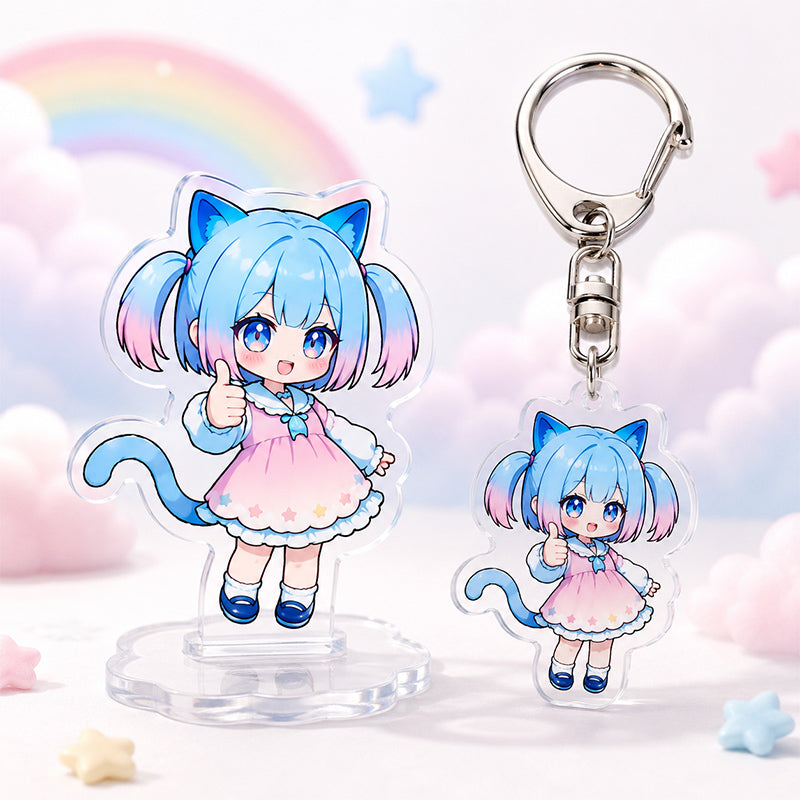
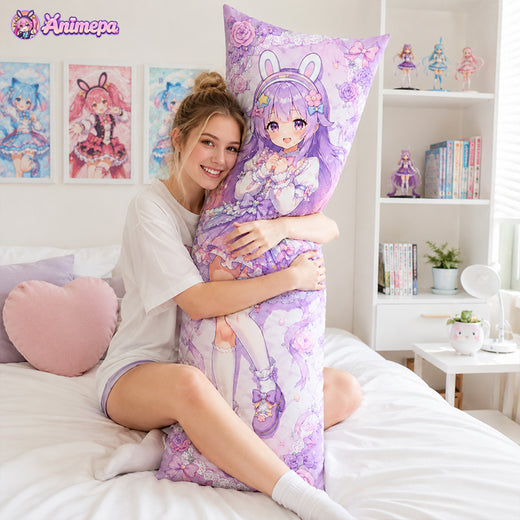
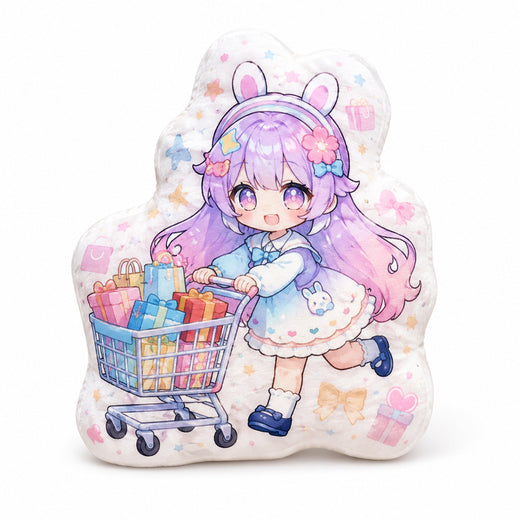
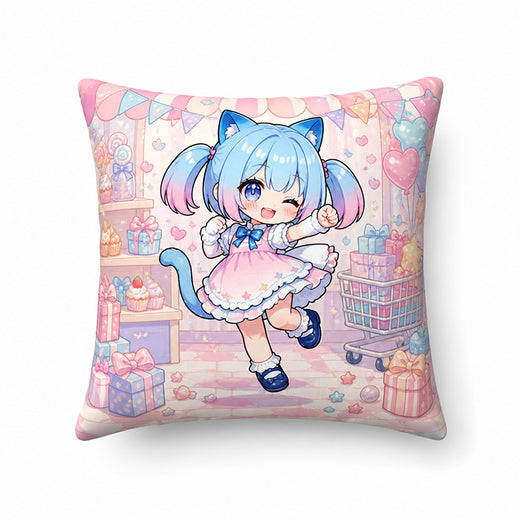
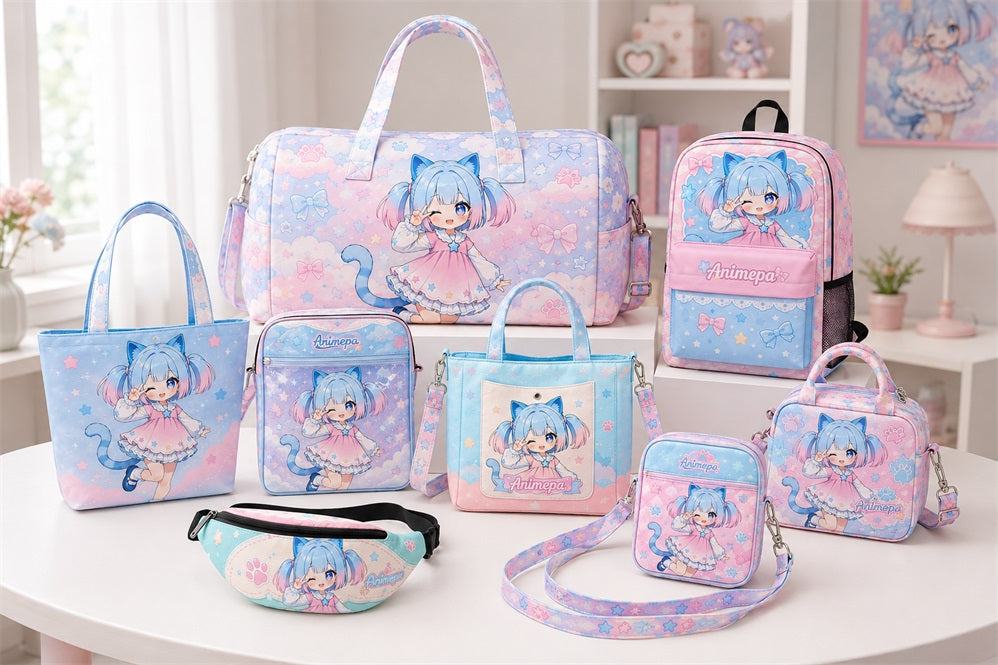
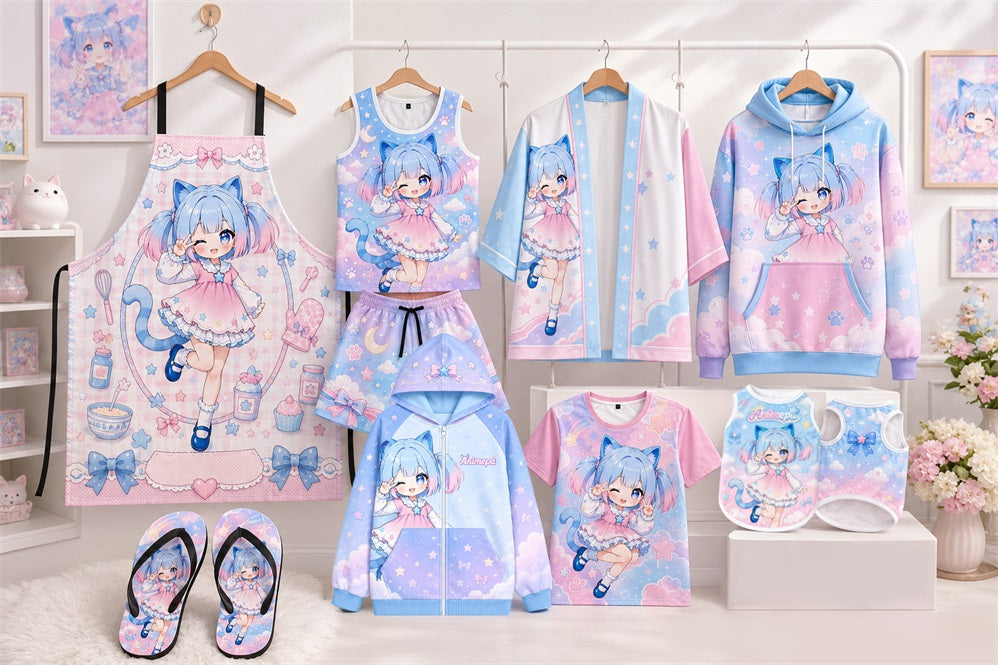
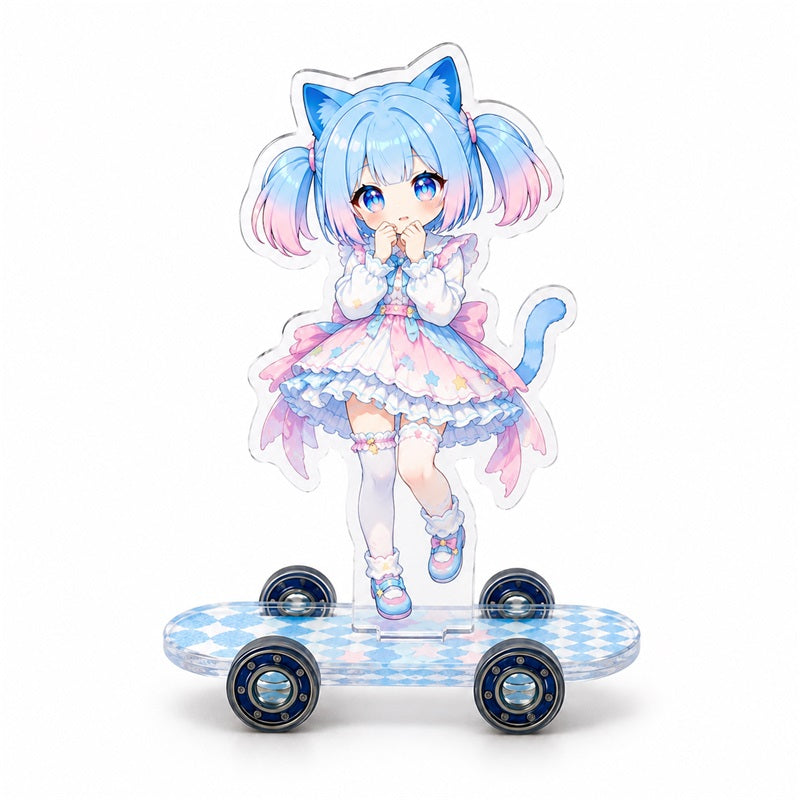
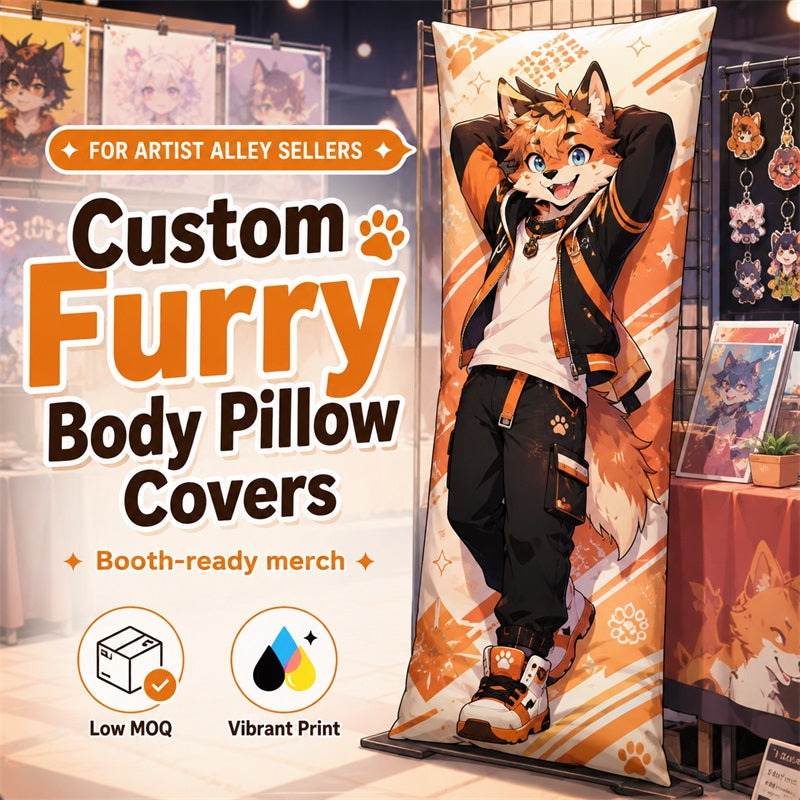
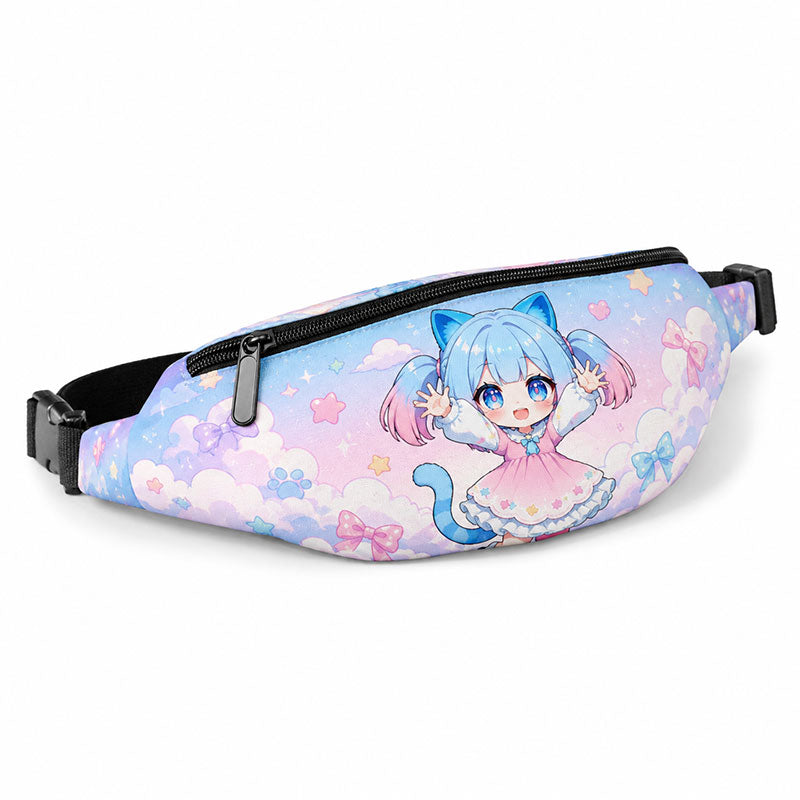
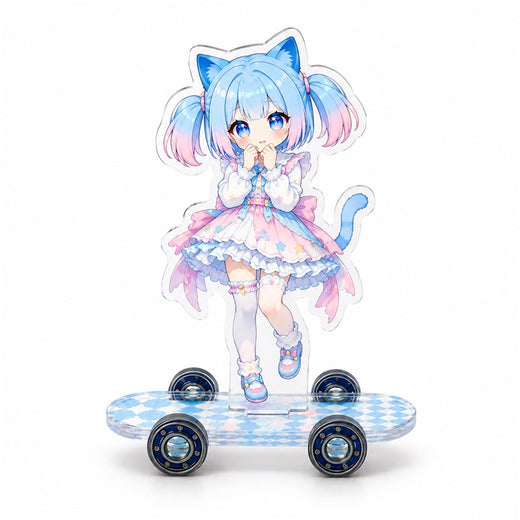
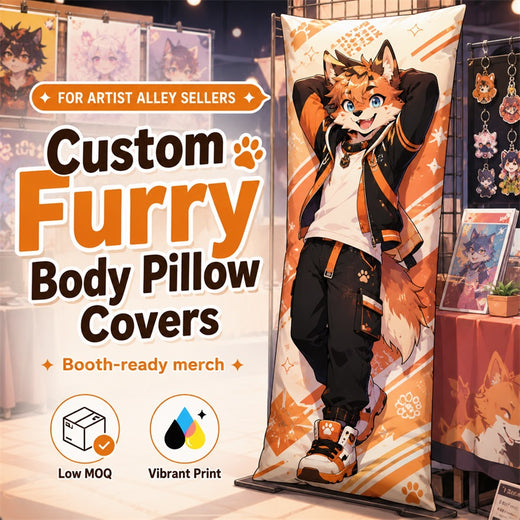
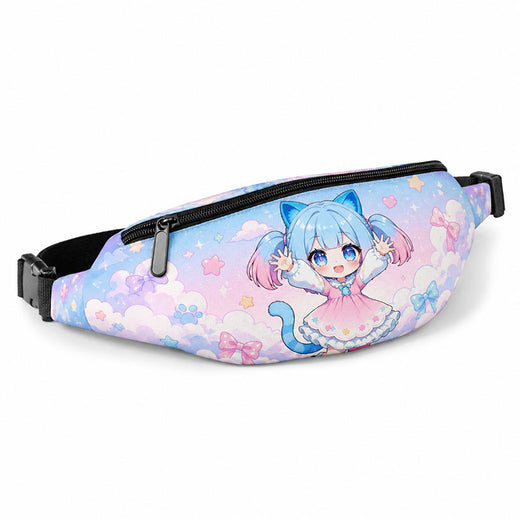
Compact acrylic keychains and standees are easy to display and can represent many characters. Tote bags, mouse pads and towels give customers practical ways to use the artwork. Blankets, wall scrolls, apparel and pillow covers create visual impact but require more storage, display planning or size decisions.
Choose one main product and one supporting product for the first test rather than launching everything.
Example small-budget product plans
Actual prices depend on specifications and shipping, so use these as structures rather than fixed budgets.
Character test
- One acrylic keychain product
- Five total pieces
- Five character designs
- One piece per design
Goal: learn which character attracts demand.
Desk collection
- One mouse pad product
- One acrylic standee product
- Coordinated artwork
- Each product meets its own MOQ
Goal: test a themed desk-accessory collection.
Convention display test
- One compact product for variety
- One larger visual product
- Conservative quantities
Goal: evaluate whether a statement item helps booth visibility and sales.
Different products cannot share one MOQ, so calculate each production line separately.
Include every cost in the budget
Do not budget only for product price.
Include product production, artwork preparation, samples or setup, packaging, international shipping, import duties, payment fees, store or marketplace fees, convention fees, display materials and an allowance for defects.
Calculate landed cost per unit:
Total product, packaging, shipping and import cost ÷ sellable units
Then choose a retail price that covers business costs and leaves room for discounts or wholesale pricing.
Use samples deliberately
A sample is most valuable when it answers a decision about size, material, printed color, construction, crop, photography or packaging.
Do not assume every sample is automatically free. Animepa offers sample support; terms depend on the product and project, and a sample charge may be discussed or credited toward a qualifying production order.
For several artwork designs using the same product specification, one representative physical sample may be enough to evaluate construction while digital mockups confirm each artwork layout.
Use preorders without overpromising
Before opening preorders:
- Confirm product specifications
- Obtain a production estimate
- Include a schedule buffer
- Explain that screen and print colors can differ
- Set a clear closing date
- State whether cancellations are accepted
- Avoid promising delivery before logistics are confirmed
Preorders work best when the audience already trusts the artist and the product plan is specific.
Track design-level performance
For every sale, record the product, artwork design, size or variant, sales channel, selling price and discount.
A category can look successful while only one character is selling. Reorder the proven artwork rather than every design equally.
Reinvest in the next bottleneck
After the first launch, spend additional budget where it solves a measured problem:
- More units of a sold-out design
- A better display for products visitors missed
- A sample of a requested product
- Larger artwork files
- Improved packaging
- A second size supported by customer requests
Avoid adding products simply to make the catalog look large.
Common small-budget mistakes
Claiming “no MOQ”
Animepa offers low MOQ, often from five pieces for many regular products. Use accurate wording.
Ordering equal quantities for every design
Use deeper quantities for proven artwork and smaller tests for uncertain designs.
Ignoring shipping volume
A blanket and an acrylic keychain have very different freight and storage requirements.
Launching too many sizes
Apparel can divide inventory across design and size combinations quickly.
Using artwork without commercial rights
Use original artwork, properly licensed content or designs you are authorized to manufacture and sell.
Skipping mockup approval
Check crop, orientation, cutline and seams before production.
A practical first-order checklist
Build a small collection with factory support
Animepa is a factory-direct custom anime and game merchandise manufacturer serving independent artists, Artist Alley sellers, VTubers, online shops, Kickstarter creators and brands.
We support acrylics, bags, apparel, pillows, mouse pads, wall scrolls, towels, blankets and other custom lifestyle merchandise. Services include templates, artwork checking, digital mockups, sample options, production follow-up, quality inspection and worldwide shipping.
Read the complete independent artist merch business guide, explore the high-margin lifestyle products guide, browse all custom products, or contact Animepa with your budget, product ideas, quantities and destination.


コメントを残す